
Reviewed · SAN SEBASTIAN WALKING TOURS
Art and culture – San Sebastian
San Sebastián can look like a postcard, but its buildings carry the plot. This tour shines because it links Basque culture and art to what you’re actually walking past, from civic power to maritime clues and modernist influences. I also love how it’s paced for real conversation, not a lecture—guided by Iñaki with a warm, funny style that keeps you looking up instead of down.
The main thing I like most is the value of the small group (max six). You get close enough to ask questions, and you don’t feel rushed through the old town. The only drawback is the subject matter: this is focused on history and architecture, so if you’re coming mainly for a food crawl, you may miss the pintxos moment you expected.
In This Review
- Key things I’d bet you’ll remember
- A walk that turns architecture into a Basque story
- Price and what makes $34.70 feel fair
- How the small-group format changes your experience
- Start at Boulevardeko Kioskoa, end at Plaza Constitución
- Ayuntamiento de San Sebastián: when civic power looked like a casino
- Paseo de la Concha: the perfect walking breather
- Good Shepherd Cathedral: a quick interior moment
- Post Office Building: where the architecture starts to shift
- Taxes, faces, and seafaring riddles on the facade
- The oldest house: small scale, big clues
- Oldest church and Napoleon references
- The “new square” after the city burned
- Basque culture themes you’ll hear between the buildings
- What I’d consider if you hate walking tours
- Who this tour is best for
- Should you book this Art and Culture: San Sebastián walk?
- FAQ
- How long is the San Sebastián art and culture tour?
- How big is the group?
- Where do I meet and where does the tour end?
- Do I need a printed ticket?
- Is there any place on the route where you can go inside?
- Can I cancel for free?
Key things I’d bet you’ll remember
- A max-six group with a friendly, story-first guide (Iñaki keeps it lively and personal)
- Architecture stops that connect to Basque identity instead of just dates and names
- Concha promenade as the visual reset before you head into the older streets
- Civic buildings with surprising secrets (faces on facades, seafaring symbolism, and more)
- Quick interior moments where you can go in (like the cathedral, briefly)
- A route that feels calm even when crowds are around, depending on timing
A walk that turns architecture into a Basque story
San Sebastián works its charm fast. You arrive, you see the bay, you start taking photos, and then—slowly—the city starts telling you why it looks the way it does. This is the kind of tour that helps that click happen.
Instead of treating landmarks like checkboxes, you’ll hear how stories, symbols, and design choices map onto Basque identity. That means you’re not only looking at stone. You’re spotting details and connecting them to themes like maritime travel (pirates and whales get name-dropped), the Americas, kings and queens in summer, and how the Basque story threads through everyday buildings.
And yes, you’ll get a break from typical pintxo-tour energy. You’re stepping away from that food-focus for a while to understand the city’s visual language. For me, that made the rest of my trip more meaningful.
Keep pacing Donostia, other routes through town
Price and what makes $34.70 feel fair
At $34.70 per person for about 2 hours, this is a straightforward value play—especially because the group is capped at six. The price isn’t trying to buy you luxury. It buys you guided attention, pacing, and interpretation of what you’d probably miss on your own.
The tour also uses a mobile ticket, which is one less thing to manage while you’re wandering the old town. That matters more than it sounds, because you’ll be moving between spots and you don’t want friction.
Is it “cheap”? It’s priced like a practical city walk. The real value comes from getting Iñaki’s take on what you’re seeing—particularly when the architecture details start adding up.
How the small-group format changes your experience
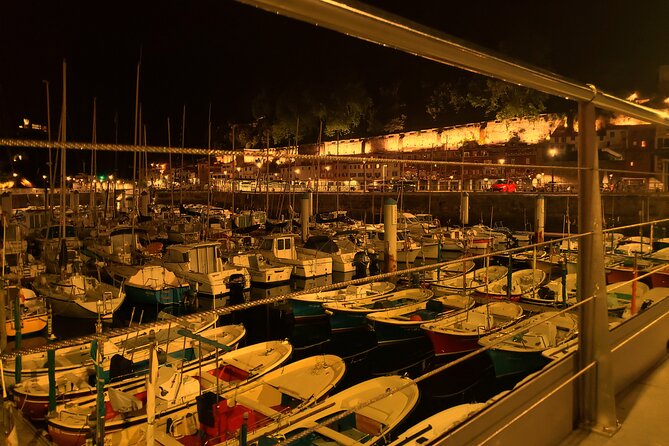
San Sebastián’s center gets busy. Even then, a small group makes a difference.
With up to six travelers, you don’t get swallowed by the crowd. Questions don’t feel like they’re stealing time from the “real” tour. You can keep pace without feeling like you’re dragging behind a parade.
And the style matters. Iñaki doesn’t just point and name. He frames. You’ll get questions in the mix—like prompts about who sailed around the world first and who went the other way around, or what faces you might recognize on a facade. You don’t have to answer perfectly. The point is to teach you how to look.
Start at Boulevardeko Kioskoa, end at Plaza Constitución
The route is designed to get you moving through key layers of the city.
You begin at Boulevardeko Kioskoa on Alameda del Blvd. 25W, then you work your way toward the old town and finish at Donostiako Liburutegi Zerbitzua, Constitución Plaza 1—with the tour ending right in Plaza Constitución.
That ending spot is useful. It’s the kind of central place where you can keep exploring afterward, grab a drink, or head into the lanes with a clearer sense of direction and theme.
- San Sebastian Old Town Pintxos & Wine Tour Small Group Tour★ 5.0 · 1,102 reviews
- San Sebastian: Boat Tour with Stop at Santa Clara★ 4.6 · 733 reviews
- San Sebastian Pintxo Food, Wine & Market Foodie Tour(Small Group)★ 5.0 · 621 reviews
- Small-Group Electric Bike Tour in San Sebastián★ 5.0 · 603 reviews
- Discover San Sebastián’s Best Pintxos on a Unique Culinary Tour★ 5.0 · 602 reviews
Ayuntamiento de San Sebastián: when civic power looked like a casino
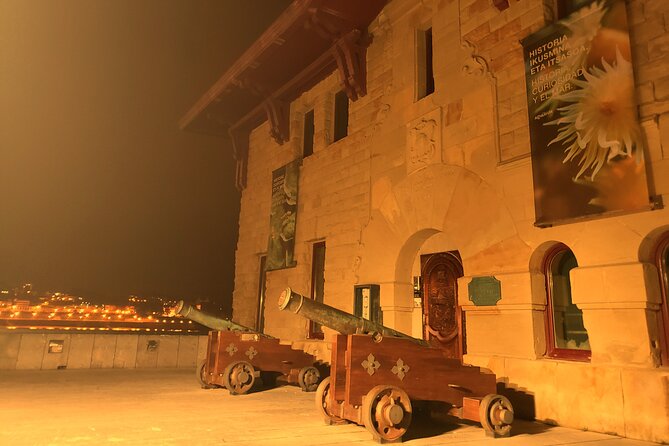
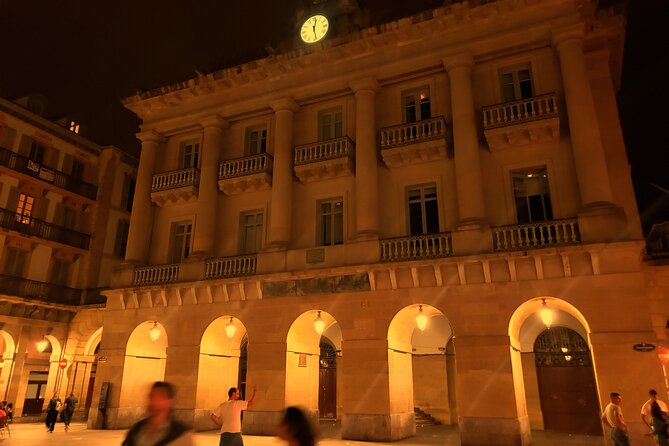
Your first major stop is the Ayuntamiento de San Sebastián (City Hall), and it’s free.
Iñaki’s take is memorable here because it reframes what the building represents. This wasn’t just paperwork and meetings. The City Hall is described as having once been a big casino—and that little fact prompt sets your imagination spinning about what society looked like around 1920.
Practical tip: if you’re trying to understand the city quickly, civic buildings are a strong place to start. They usually reflect who held influence, what people valued, and how public life was organized.
Paseo de la Concha: the perfect walking breather
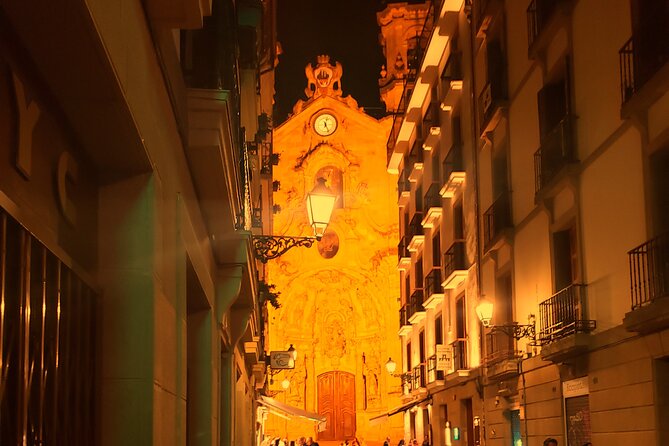
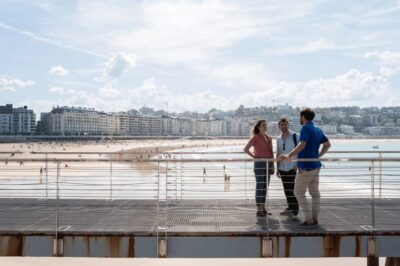
Next comes Kontxa Pasealekua (Paseo de la Concha)—a free stop and one of the best places to get your bearings.
This is the city’s showpiece promenade: the kind of spot that makes you slow down even when you’re on a schedule. It’s also a mental reset. After the City Hall, you get open views and a calmer rhythm before you tuck back into architecture details.
For me, this is where the tour’s tone locks in: you’re moving between spectacle and meaning, and the meaning matters.
Good Shepherd Cathedral: a quick interior moment
One stop includes the Good Shepherd Cathedral. You can go inside for a short moment while the guide waits outside.
This is the smart way to do it. You get the inside experience without turning the tour into a long detour. It’s also a good reminder that San Sebastián isn’t only about exteriors and facades—there’s atmosphere inside religious architecture too.
If you prefer to take photos, you’ll want to do it quickly and respectfully. Think “brief look, good notes,” not a full sightseeing marathon.
Post Office Building: where the architecture starts to shift
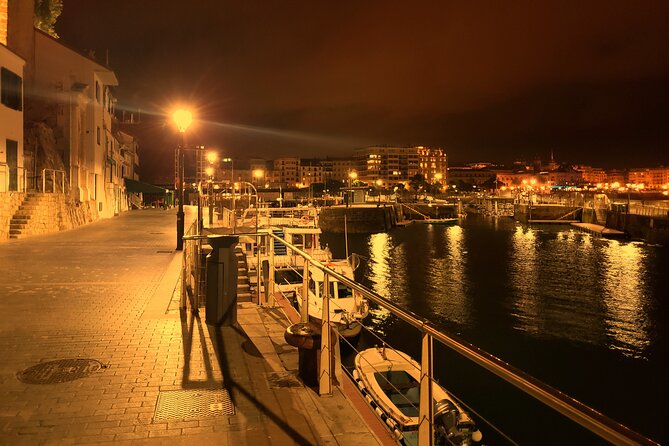
You’ll then move to the Post Office Building. This is where you start noticing a change in the architectural feel—less uniform, more layered, more specific.
You’ll also hear it described as feeling like a walk through Paris. That’s a helpful lens, even if you don’t see it as Paris itself. It points you toward how San Sebastián mixes styles and ambitions, and how the city’s identity isn’t locked into one era.
Why this stop matters: postal buildings often symbolize connectivity and modernization. They’re about communication and the outside world, which connects well with the tour’s recurring themes of travel—maritime history, the pull of the Americas, and the back-and-forth of people and ideas.
Taxes, faces, and seafaring riddles on the facade
After the Post Office, you’ll reach a building where you’re told: this is where we pay our taxes.
That sounds dry—until you focus on the facade details. You’ll be asked to spot faces on the facade, and you’ll hear stories that connect those symbols to maritime journeys: who sailed around the world first and who took the opposite route.
This is the kind of architectural “reading practice” that makes the rest of your visit better. Once you understand that facades can act like storyboards, you start noticing symbols everywhere—whether you’re walking to dinner or crossing to a viewpoint.
The oldest house: small scale, big clues
Then comes the oldest house in the city.
I love stops like this because they create a contrast. After the civic and institutional buildings, an older domestic structure pulls you closer to everyday life. It’s a reminder that the city isn’t only shaped by official power. It’s shaped by people living through change.
If you’re traveling with someone who likes history but not long lectures, this stop is a good middle ground. It’s visual, it’s short, and it gives the tour a human scale.
Oldest church and Napoleon references
Next is the oldest church. Here, the conversation includes Napoleon.
That kind of reference might sound random if you’re not used to how cities talk to each other across time. But in San Sebastián, history isn’t sealed in a museum. It pops up in architecture stories, in how neighborhoods developed, and in the way older institutions shaped what came later.
Practical note: if your timing is tight, this is still worth it. Older churches often compress a lot of time into one place, so you get meaning quickly.
The “new square” after the city burned
Finally, the tour connects to a new square when the city burned, and you’ll be prompted with: what are the numbers on the balconies for?
That’s one of those details that turns you from a passerby into an observer. Numbers on balconies can feel meaningless until someone gives you the story behind them. Then suddenly the square makes sense as part of a rebuilding moment rather than just a scenic meeting point.
This is also a nice lead-in to the tour’s end at Plaza Constitución. You finish in a place that’s both central and symbolic, so your route doesn’t feel like it drops you somewhere random.
Basque culture themes you’ll hear between the buildings
Even though this is a street walk, it covers big cultural territory. You’ll hear about origins of Basque culture, plus the city’s blend of history and identity—kings and queens in summer, pirates and whales, travel toward the Americas, and how the Basque story shows up in art.
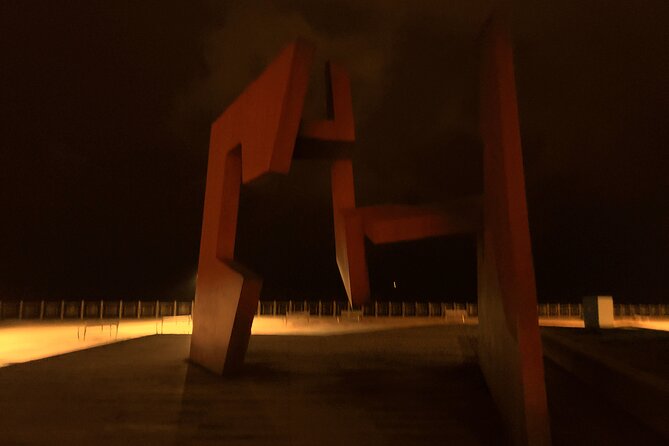
You may also get references tying San Sebastián to modern Basque creativity, including sculptures by Chillida and Oteiza. You’re not necessarily being asked to hunt down those works on this walk, but hearing their names in context helps you understand why modern Basque art fits naturally into this city’s cultural mood.
What I’d consider if you hate walking tours
This is a guided walk. You’ll spend about two hours on your feet. If you’re limited in mobility, you might find the pace harder than a seated museum visit.
Also, this tour is not designed to be a “click through the highlights” experience. It’s about interpretation. If you only want the barest facts and photos, you might find yourself wishing for a shorter, more classic sightseeing format.
That said, the pace is approachable for most people, and there’s an added benefit: the tour uses a small group size, which makes it easier to keep moving without feeling rushed.
Who this tour is best for
This is a strong fit for you if:
- you care about architecture and street-level symbolism
- you want to understand Basque culture beyond pintxos
- you like questions and stories that teach you how to look
- you prefer a small-group guide over a large crowd
It’s less ideal if you’re mainly shopping for nightlife vibes, beach time, or a food crawl as your core focus.
Should you book this Art and Culture: San Sebastián walk?
Yes, if you want your San Sebastián to make sense in a deeper way. This tour is priced like a practical city experience, lasts just about two hours, and keeps the group small enough to feel personal. Iñaki’s storytelling style is a real asset: you leave with more than images—you leave with a way to read the city.
If you’re on the fence, here’s your simple test: if you enjoy spotting details on buildings and connecting them to culture, book it. If you’re only in town for a quick hit and you don’t want interpretation, you might do better with something more straightforward.
FAQ
How long is the San Sebastián art and culture tour?
It runs for about 2 hours.
How big is the group?
The group is limited to a maximum of six travelers.
Where do I meet and where does the tour end?
You start at Boulevardeko Kioskoa, Alameda del Blvd., 25W, 20003 San Sebastián and end at Donostiako Liburutegi Zerbitzua, Constitución Plaza, 1, 20003 Donostia in the old town area.
Do I need a printed ticket?
No. The tour uses a mobile ticket.
Is there any place on the route where you can go inside?
Yes. At the Good Shepherd Cathedral, you can go inside briefly while the guide waits outside. The Ayuntamiento de San Sebastián stop notes a free admission ticket.
Can I cancel for free?
Yes. Free cancellation is available if you cancel at least 24 hours before the experience starts.
More Donostia Trips, Reviewed
- San Sebastian Old Town Pintxos & Wine Tour Small Group Tour
★ 5.0 · 1,102 reviews - San Sebastian: Boat Tour with Stop at Santa Clara
★ 4.6 · 733 reviews - San Sebastian Pintxo Food, Wine & Market Foodie Tour(Small Group)
★ 5.0 · 621 reviews - Small-Group Electric Bike Tour in San Sebastián
★ 5.0 · 603 reviews - Discover San Sebastián’s Best Pintxos on a Unique Culinary Tour
★ 5.0 · 602 reviews - San Sebastian: Sustainable Catamaran Cruise with Audio Guide
★ 4.2 · 527 reviews
Donostia on Foot, Keep Going
- San Sebastian: Walking Tour with Pintxo and Drink
★ 4.5 · 220 reviews - San Sebastian walking tour with pintxo and drink option
★ 4.5 · 204 reviews - San Sebastián: Cultural Walking Tour
★ 4.7 · 53 reviews - Coastal “Winery Camino Trail” Walking Tour from San Sebastian
★ 5.0 · 51 reviews - San Sebastian: Private custom walking tour with a guide
★ 4.5 · 44 reviews - San Sebastian: City Highlights Guided Walking Tour
★ 4.9 · 35 reviews
Just Added: Fresh San Sebastian Tours in the Book


San Sebastian Walking Tours, compared.
 ★ 4.5Walking Tour with Pintxo and DrinkFrom $17220 reviews
 ★ 4.5San Sebastian walking tour with pintxo and drink optionFrom $18204 reviews
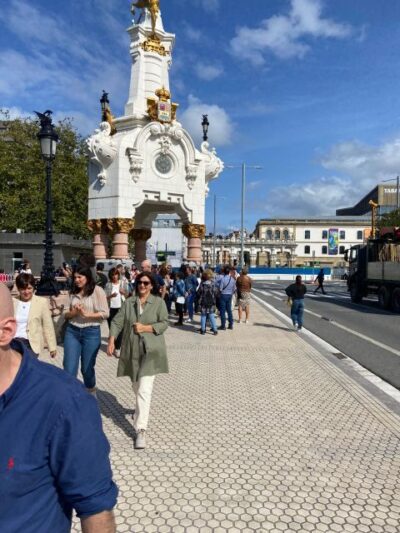 ★ 4.7Cultural Walking TourFrom $5153 reviews
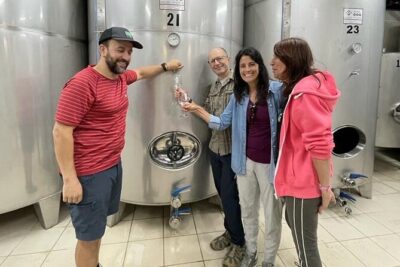 ★ 5.0Coastal “Winery Camino Trail” Walking Tour from San SebastianFrom $19251 reviews
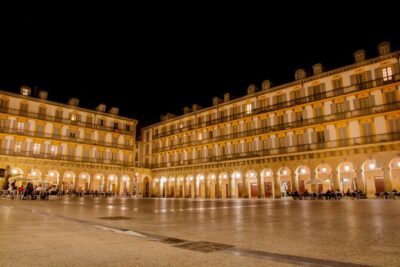 ★ 4.5Private custom walking tour with a guideFrom $5344 reviews
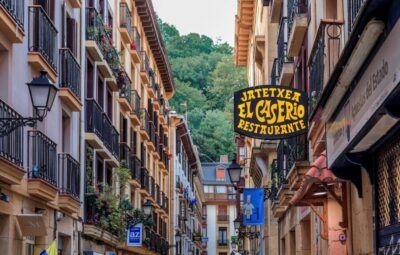 ★ 4.9City Highlights Guided Walking TourFrom $3435 reviews
★ 5.0Private Custom Walking Tour With A GuideFrom $5434 reviews
★ 4.9City Highlights Guided Walking TourFrom $3435 reviews
★ 5.0Private Custom Walking Tour With A GuideFrom $5434 reviews
 ★ 4.5Private San Sebastian City Walking TourFrom $16833 reviews
Browse the lists this tour appears in