
Reviewed · CITY TOURS
San Sebastián: Live the city like a local, no tourist traps
San Sebastián can look postcard-perfect, but the real story is street-level. This guided walk focuses on neighborhoods, architecture, and local viewpoints, including a mix of sea, beach, and mountain perspectives, plus the city’s urban-nature details. I especially like the way the tour connects history to what you see right now, and the chance to step off the usual routes. One thing to consider: on one booking, the guide reportedly didn’t show up or answer, so you’ll want to keep an eye on day-of confirmation.
At Hotel María Cristina you start, then you cover old town, modern streets, religious and civil architecture, and military remains in about 110 minutes. I also like that it’s built for real questions, not just a script; Ignacio is described as a friendly, high-information guide who explains life in San Sebastián, not just dates. The big practical drawback: you’ll be on uneven surfaces and it’s not suitable for wheelchair users or people with mobility impairments.
In This Review
- Key things I’d pencil into your day
- San Sebastián Like a Local: What This Walk Really Delivers
- Price and Value: Why $52 for Up to 3 Can Be a Good Deal
- Where You Start: Hotel María Cristina and a Practical Morning Plan
- Old Town to Modern Streets: How the Route Builds Understanding
- Religious Architecture and Civil Buildings: What to Look For
- Military Remains and the Port Story: Where History Shows Up in Stone
- Panoramic Views From Heights, Sea, and Beach
- The Tourist Side, Without the Tourist Trap
- A Day-of Reality Check: Uneven Streets and Walking Comfort
- Who Should Book This Tour (and Who Might Skip It)
- Should You Book It? My Practical Verdict
- FAQ
- FAQ
- Where does the tour start?
- How long is the walking tour?
- How much does it cost?
- What languages is the guide available in?
- What’s included in the price?
- What’s not included?
- Is the tour suitable for people with mobility impairments?
- What should I bring?
Key things I’d pencil into your day
- A small-group tour (up to 3 people) keeps it flexible and more like a walk with a knowledgeable local
- Ignacio’s approach gets praised for cultural and historical context and for answering questions about everyday life
- Non-touristy stops and panoramic viewpoints are specifically part of the plan, not an afterthought
- A mix of architecture types helps you read the city: religious, civil, and military
- Views from heights to sea and beach help you understand how the town is shaped
- Tourist-area rhythm without trap energy gives you the feel of town life while still staying intentional
San Sebastián Like a Local: What This Walk Really Delivers
San Sebastián rewards you when you look beyond the main sights. This tour is designed for that exact mood: you get the bones of the city’s story, then you connect it to what you’re seeing on the walk. Instead of treating the city like a museum, it treats it like a lived-in place—streets first, viewpoints second, and the explanations that make them click.
Two parts of the experience really matter for your enjoyment. First, you’re not stuck in one zone. You move from the old town feel to the modern city layout, and you also cover areas tied to the port and military past. Second, the tour includes high viewpoints—so you understand the geography instead of just photographing it.
There’s also a subtle advantage: because it’s guided, you don’t spend your energy guessing what you’re looking at. You’re shown what to notice—urban details, building styles, and the way the city grows around water and hills. That makes the 110 minutes feel like a fast map of San Sebastián, not a rushed checklist.
Wider loops around Donostia




Price and Value: Why $52 for Up to 3 Can Be a Good Deal
$52 per group (up to 3 people) is one of those prices that depends on how you travel. If you’re alone, it’s more of a splurge than a bargain. If you’re two or three, it becomes much easier to justify because you’re spreading the cost across a small group.
Here’s how the math feels in real terms: if you have three people, you’re effectively paying about $17 per person for a professional local guide and an itinerary that covers multiple city zones plus panoramic viewpoints. That can beat the cost of doing lots of separate entries or hiring a bigger group tour where you get less personal attention.
Also, the tour includes exclusive access to non-touristy spots. You’re not paying just for walking with a guide; you’re paying for route quality and access to perspectives you might not stumble upon on your own—especially the kinds of viewpoints that are more common with locals than with tour groups.
Just keep a small reality check in mind: with any walking tour, you’re paying for the guide and the plan. If the guide doesn’t show, your day takes a hit. The data you were given includes one report of a no-show, so it’s smart to confirm the day-of contact and have a backup plan if something feels off.
Where You Start: Hotel María Cristina and a Practical Morning Plan
You begin at Hotel María Cristina, which is helpful if you like a clear meeting point. It also means you can often fit the tour into a normal city day without complex transfers. Bring this into your planning: you should arrive ready to walk right away, not to wait around for long.
The whole tour runs about 110 minutes, so think of it like a strong morning or late-afternoon block—long enough to cover real ground and viewpoints, not so long that you’ll feel stuck for hours. The walking route is part of the point, but it also means you’ll want to avoid planning other far-apart activities immediately before or after.
You should also plan around the terrain. The tour includes uneven surfaces, and you’re moving through mixed zones in a hilly coastal city. Comfortable shoes are more important than looking stylish. If your legs bruise easily, build in a little extra downtime at the end of the walk.
Old Town to Modern Streets: How the Route Builds Understanding
A good city tour does two things: it shows you where to stand, and it teaches you how the city works. This one aims for both.
In the old town, you’ll get the historical spine of San Sebastián. You’ll look at remnants and the way the city’s past still shapes what’s around you now. The guiding idea is to connect street corners to eras—so the buildings don’t feel random. You’ll also pick up on the city’s “urban nature” angle, which is basically the way life, architecture, and landscape interact in day-to-day scenes.
Then the tour shifts toward the modern city. This part matters because it prevents a common problem: many first-time walks focus only on the historic quarter. Here, you’re shown how San Sebastián’s newer identity sits alongside older layers. That lets you see the city as a continuous story, not a single snapshot.
One of the best ways to measure a tour like this is how it prevents wasted time. By the time you reach later stops, you’ll already understand what you’re seeing: why certain streets feel like they belong together, why the layout changes, and how the viewpoints will make sense.
- San Sebastian Old Town Pintxos & Wine Tour Small Group Tour★ 5.0 · 1,102 reviews
- San Sebastian: Boat Tour with Stop at Santa Clara★ 4.6 · 733 reviews
- San Sebastian Pintxo Food, Wine & Market Foodie Tour(Small Group)★ 5.0 · 621 reviews
- Small-Group Electric Bike Tour in San Sebastián★ 5.0 · 603 reviews
- Discover San Sebastián’s Best Pintxos on a Unique Culinary Tour★ 5.0 · 602 reviews
Religious Architecture and Civil Buildings: What to Look For
San Sebastián has a striking mix of religious and civil architecture, and this tour uses that variety to teach you how to “read” the city. That’s the value here: you’re not just passing by churches or civic buildings. You’re learning what makes them recognizable and what role they played in the city’s development.
For religious architecture, the key is context. You’ll understand how these buildings fit into the city’s identity and how they connect to daily life historically. Instead of treating the structures like photo backdrops, you’ll know what to notice—style cues, placement, and how the building fits the surrounding streets.
For civil architecture, the focus is on the city’s practical side: how communities organized themselves, how public spaces and structures reflected power and trade, and how the layout supported city life. This is where the tour can feel especially good if you like understanding why a city looks the way it does.
A nice benefit is that it helps you break your own autopilot. After a few stops, you’ll start spotting details you would’ve walked right past before the explanation. That’s when the tour stops being entertainment and starts becoming a useful tool.
Military Remains and the Port Story: Where History Shows Up in Stone
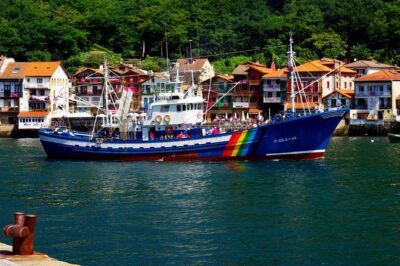
Military remains can be easy to overlook if you’re focused only on beaches and bars. This tour treats the military side as part of San Sebastián’s geographic logic—especially tied to the port and the coastal setting.
You’ll explore areas connected to military history and see how that past influenced the city. Even when the structures are no longer used the way they once were, they still shape sightlines, street patterns, and how certain areas feel physically “fortified.” It’s the kind of context that changes the way you look at a waterfront.
If you like cities with layered identities, you’ll probably appreciate this section. It adds tension and meaning. The city isn’t just beautiful; it has a strategic past shaped by the sea and access routes.
There’s also a practical value: military sites often sit in locations that provide good views. So you get history and panoramas in the same stretch, which helps you make efficient use of your 110 minutes.
Panoramic Views From Heights, Sea, and Beach
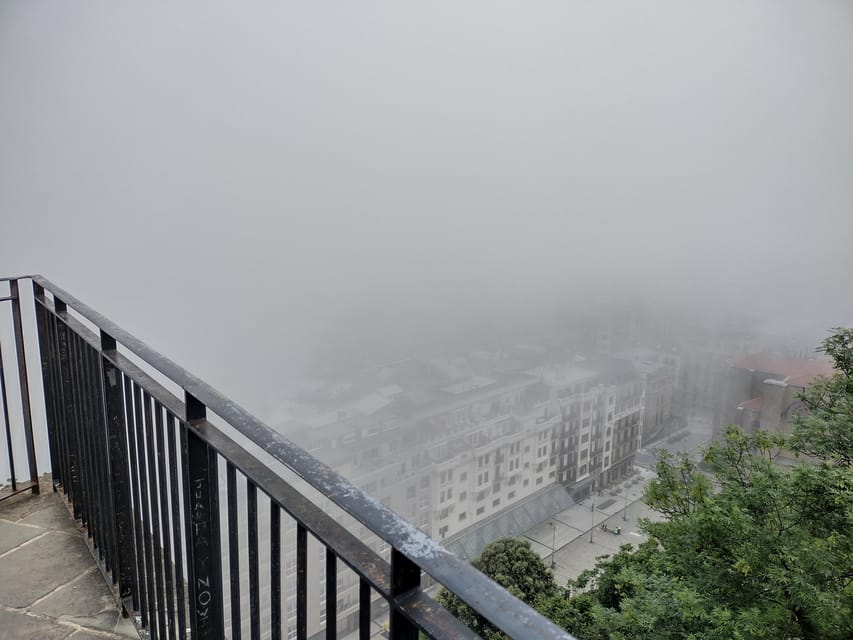
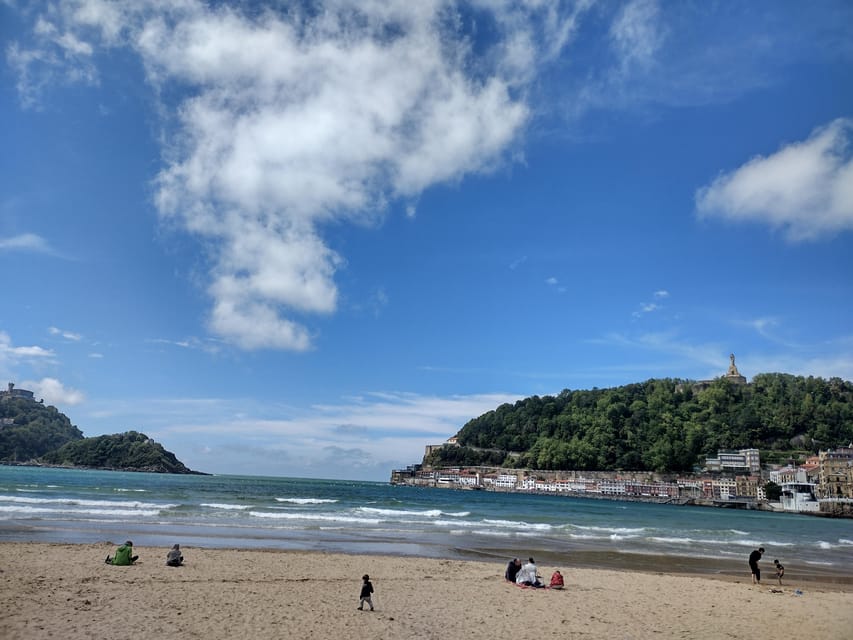
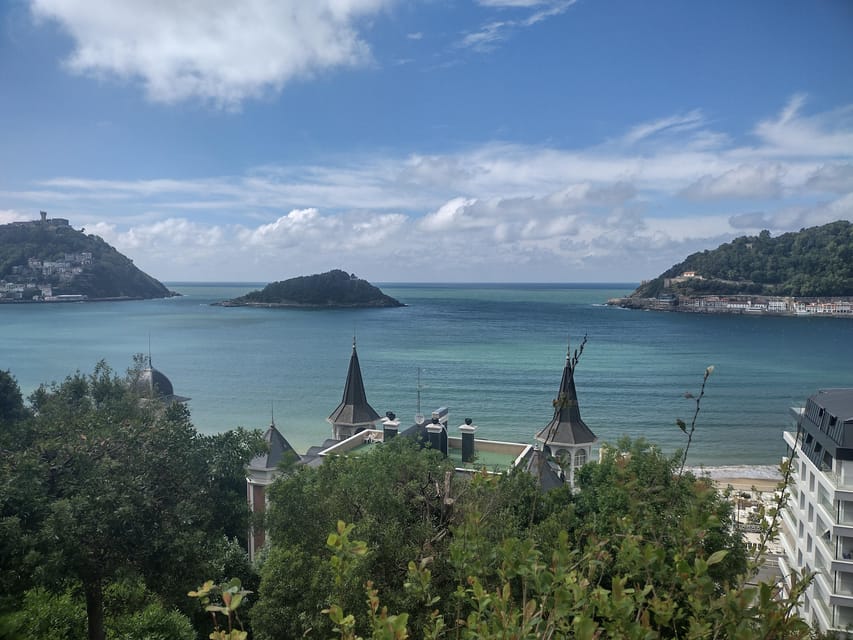
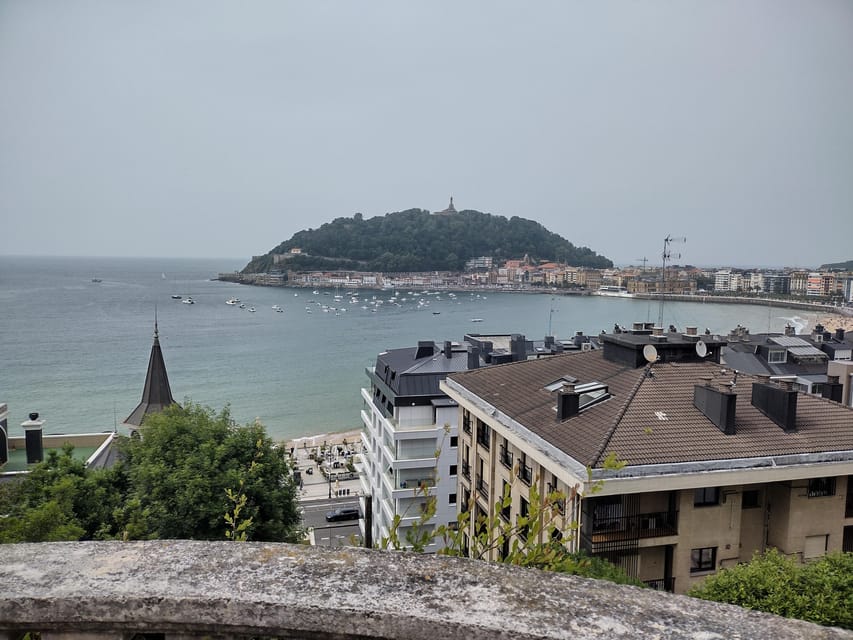
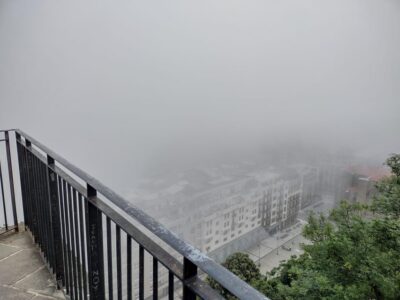
San Sebastián is a city you should experience from multiple levels. This tour includes viewpoints that look out over the mountains, sea, and beach, and it helps you understand the city’s geography as you walk through it.
When you see the coastline from a height, you start to grasp why neighborhoods feel tucked into certain slopes and why the water is always in the story. The sea views help you connect the port and beach zones to the city’s broader layout.
The mountain-to-beach concept also gives your photos more meaning. Instead of collecting random shots, you’ll know which angle tells you something. And because viewpoints are paired with guided context, you’re more likely to actually notice the details that make each place distinctive.
One practical tip: those viewpoint legs can be where you feel the walking most. Bring your water and pace yourself. If you rush, you’ll miss the explanations that make the views worth it.
The Tourist Side, Without the Tourist Trap
This tour’s title is basically a promise: live the city like a local. The way it delivers that is by including the tourist area and the city’s “rhythm,” but keeping it framed by local perspective.
That means you still get the moments people recognize—because San Sebastián’s center areas have a real public energy—but you’re not stuck there. The guide’s job is to help you understand what’s happening and why, so you don’t just bounce between spots with no context.
I like this approach because it reduces decision fatigue. You don’t have to design your own “best hits” route while also trying to avoid tourist traps. A good guide can point out what to pay attention to and what to treat as background noise.
If you want to feel the city’s pulse, this part matters. It’s where the tour starts to feel less like sightseeing and more like learning how the town moves through a day.
A Day-of Reality Check: Uneven Streets and Walking Comfort
Because this is a walking tour with uneven surfaces, you’ll want to dress for movement, not just for looks. The only explicit item you’re told to bring is water, but that’s a big deal here. Coastal walking in open air can sneak up on you, and you’ll be happier if you’re not guessing when you’ll need a drink.
You should also plan your shoes and socks accordingly. Uneven pavement and changes in grade can slow you down if you’re not used to walking hills. If you tend to get sore quickly, consider doing something lighter before the tour and schedule a calm evening after.
Also, if you’re traveling with mobility needs, this tour is not suitable for wheelchair users and isn’t designed for people with mobility impairments. It’s important to respect that upfront so you don’t end up with a frustrating experience.
Who Should Book This Tour (and Who Might Skip It)
This is a strong choice if you want a quick, guided orientation to San Sebastián. You’ll likely enjoy it if you:
- want both history and city layout instead of only monuments
- like viewpoints and want someone to show you where they make the most sense
- enjoy learning how everyday life fits into architecture and neighborhood design
- are traveling in a small group and want a guide you can actually ask questions to
It may not fit if you:
- need wheelchair-friendly access or have significant mobility constraints
- hate uneven surfaces and steep-ish walking
- want a tour that’s heavy on indoor stops with minimal walking
One more note based on the information provided: a guide no-show was reported on one booking. That doesn’t mean it’s always like that, but it is a legitimate consideration for risk tolerance. If your schedule is tight, build in a buffer day or have an alternative plan.
Should You Book It? My Practical Verdict
If your goal is to understand San Sebastián fast—how the city’s past shows up in streets, how architecture connects to daily identity, and where the best angles are—this tour makes a lot of sense. The big value is the mix: old town to modern city, religious and civil architecture, plus military remains, all paired with panoramic views.
I’d especially recommend it to couples or small groups who want an experience that feels personal rather than crowded. And I’d feel confident when your guide is Ignacio, since the praise you received centers on his cultural and historical explanations and his willingness to answer questions.
On the downside, you should be aware of the walking reality and the one reported no-show case. If you’re the type who needs perfect reliability, confirm day-of details and keep your schedule flexible.
FAQ
FAQ
Where does the tour start?
It starts at Hotel María Cristina.
How long is the walking tour?
The tour lasts about 110 minutes.
How much does it cost?
The price is listed as $52 per group up to 3.
What languages is the guide available in?
The guide speaks Spanish, French, and English.
What’s included in the price?
Included are a professional local guide, a walking tour covering historical and modern sites, and exclusive access to non-touristy spots and panoramic views.
What’s not included?
Not included are food and drinks, and entrance fees to any attractions.
Is the tour suitable for people with mobility impairments?
No. It is not suitable for people with mobility impairments or wheelchair users.
What should I bring?
Bring water. The tour involves walking on uneven surfaces.
All of Donostia in a Day
- San Sebastian: Hop-On Hop-Off City Tour Bus
★ 3.7 · 423 reviews - San Sebastian Highlights Private City Tour with Hotel Pick up
★ 5.0 · 37 reviews - San Sebastian: City Highlights Guided Walking Tour
★ 4.9 · 35 reviews - Private San Sebastian City Walking Tour
★ 4.5 · 33 reviews - Private Hungry City Walking and Food Tour from San Sebastian
★ 5.0 · 8 reviews - Private Transfer from San Sebastian city to Bilbao Airport
★ 5.0 · 6 reviews
More Donostia Trips, Reviewed
- San Sebastian Old Town Pintxos & Wine Tour Small Group Tour
★ 5.0 · 1,102 reviews - San Sebastian: Boat Tour with Stop at Santa Clara
★ 4.6 · 733 reviews - San Sebastian Pintxo Food, Wine & Market Foodie Tour(Small Group)
★ 5.0 · 621 reviews - Small-Group Electric Bike Tour in San Sebastián
★ 5.0 · 603 reviews - Discover San Sebastián’s Best Pintxos on a Unique Culinary Tour
★ 5.0 · 602 reviews - San Sebastian: Sustainable Catamaran Cruise with Audio Guide
★ 4.2 · 527 reviews
Just Added: Fresh San Sebastian Tours in the Book



City Tours, compared.
 ★ 3.7Hop-On Hop-Off City Tour BusFrom $18423 reviews
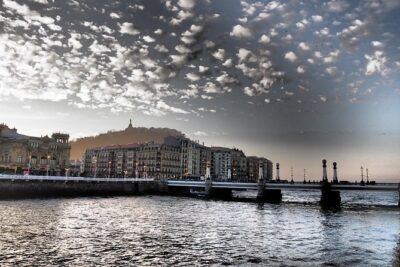 ★ 5.0San Sebastian Highlights Private City Tour with Hotel Pick upFrom $15537 reviews
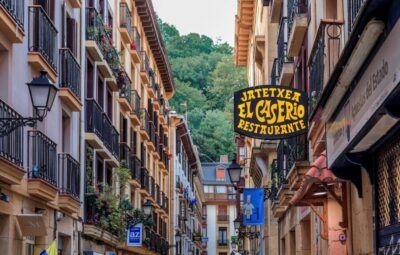 ★ 4.9City Highlights Guided Walking TourFrom $3435 reviews
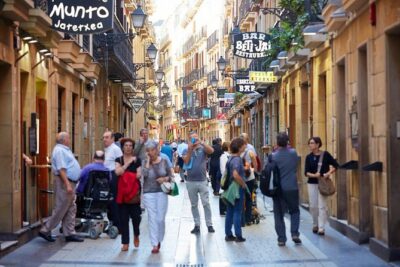 ★ 4.5Private San Sebastian City Walking TourFrom $16833 reviews
 ★ 5.0Private Hungry City Walking and Food Tour from San SebastianFrom $3018 reviews
 ★ 5.0Private Transfer from San Sebastian city to Bilbao AirportFrom $3156 reviews
 ★ 4.0City tour, by electric bicycleFrom $695 reviews
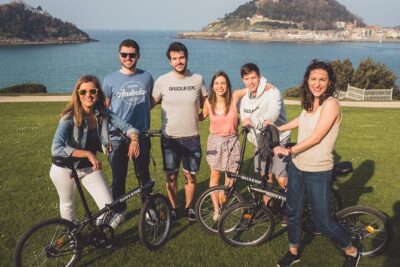 ★ 5.0San Sebastián City Bike tourFrom $693 reviews
Browse the lists this tour appears in