
Reviewed · SAN SEBASTIAN PINTXOS TOURS
Pintxos cooking class from the classics to modern pintxos
San Sebastián and pintxos go together, and this class turns that energy into hands-on cooking with a small group. I like that you cook what you’ll eat, not just watch it happen, and I also love how the kitchen setup is run with serious cleanliness and clear teaching. One thing to consider: it’s a timed 2.5-hour session at 6:00 pm, so you’ll want your dinner plans to match.
At Kookin Donosti, the vibe is “pintxo party” more than “classroom.” You’ll work from iconic pintxos like the Gilda and then try modern takes on familiar favorites, with chefs guiding you step by step.
In This Review
- Quick key points before you go
- San Sebastián pintxos cooking class: what this “pintxo party” really gives you
- From Gilda to modern pintxos: the learning arc
- Inside Kookin Donosti: clean teaching kitchen, small group pace
- The hands-on flow: what you’ll do during the 2.5 hours
- Flavor and technique: how pintxos get built
- Drinks, toasts, and the local-social rhythm
- Timing and meeting point: start at C. Corta, 3
- Price and value: what $139.63 buys you in real terms
- Who should book this pintxos class (and who might not)
- Should you book Kookin Donosti’s pintxos class?
- FAQ
- Where is the meeting point for this experience?
- What time does the class start?
- How long is the pintxos cooking class?
- How many people are in the group?
- What’s included in the experience?
- Do I need a printed ticket?
- When will I receive confirmation?
- Is it close to public transportation?
- What is the cancellation policy?
Quick key points before you go
- Small group (max 8) means more attention and less waiting around.
- Classics to modern: you’ll start with well-known pintxos and then add your own twist.
- You cook and eat: the goal is plates you personally assemble, not demo bites.
- Basque drinks are part of the mood: pour your own cider and sip txakolí during the session.
- A clean teaching kitchen helps you focus on technique instead of chaos.
San Sebastián pintxos cooking class: what this “pintxo party” really gives you
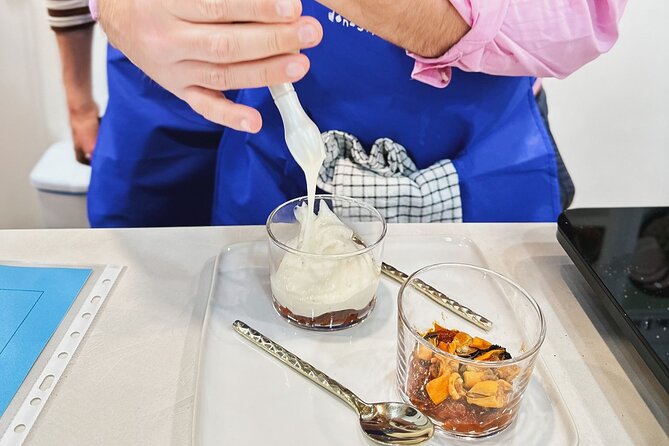
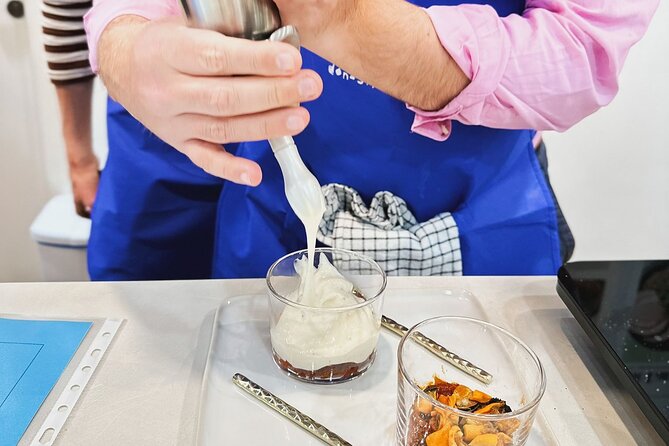
If you’re visiting San Sebastián, you’ll hear the same theme everywhere: pintxos are a big part of the local food culture. This experience takes that idea and does something smarter than most tours. Instead of sending you on a quick tasting loop, it gives you the chance to make pintxos yourself, then eat the results in the same environment where you cooked them.
The heart of the experience is at Kookin Donosti, in a teaching kitchen setting designed for cooking, not just showing. The promise is straightforward: you’ll learn techniques and craft pintxos from Basque classics to modern versions, while enjoying a relaxed, social atmosphere.
The most valuable part, for me, is the “why.” Pintxos aren’t just snacks. They’re built to be shared, eaten casually, and traded around at the table. A cooking class that includes that social rhythm makes the food feel like it belongs to San Sebastián, not like it’s a show for tourists.
More counters to work along, pintxo by pintxo

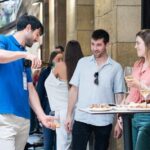
From Gilda to modern pintxos: the learning arc
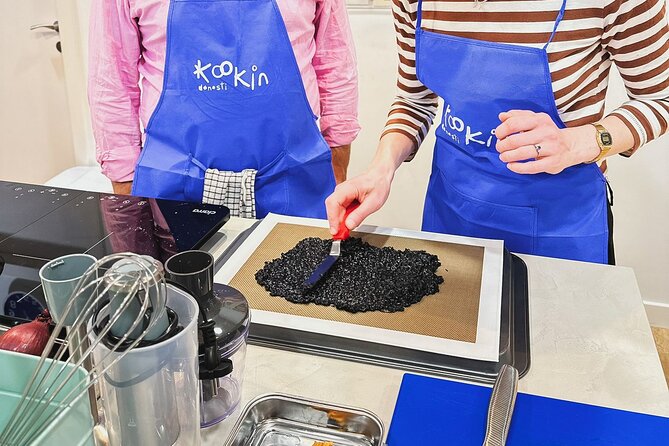
The class route is built around contrast. You begin with iconic pintxos—explicitly including the Gilda—and you move toward modern twists on traditional favorites. That structure matters because it helps you understand pintxos as a technique, not just a single recipe.
With classics, you’re usually learning the foundation: how ingredients work together, how flavors balance, and how to build something that holds up on a skewer or in a bite-sized format. With modern pintxos, the skill shifts slightly. You’re still using Basque sensibilities, but you’re trying out new combinations or approaches while keeping the “pintxo logic” intact.
If you like food that feels familiar but not boring, this format gives you a practical way to think about it. You can learn what makes a classic feel classic, then you can understand how chefs create new versions without throwing away the rules.
Inside Kookin Donosti: clean teaching kitchen, small group pace
This is capped at a maximum of 8 travelers, and that small size is a big deal. When groups are larger, hands-on classes often turn into a waiting game. With fewer people, you’re more likely to actually get help while you’re working, not after you’ve already made a mistake.
You also benefit from the way the kitchen is presented. One standout detail from the experience is the super clean teaching kitchen setup. That sounds basic, but it changes the mood. You feel comfortable focusing on technique—chopping, assembling, seasoning—without worrying about mess, clutter, or uneven workspace.
Another practical benefit of a small, controlled kitchen environment is that the instructor can keep instructions clear. The teaching here is described as easy to understand, which matters for anyone who isn’t a confident cook. You don’t need to “get it on your own.” The class is structured so you can follow along and still finish with something that looks (and tastes) like pintxos.
The hands-on flow: what you’ll do during the 2.5 hours
You’ll start in the kitchen and move through a cooking sequence that aims to end in finished pintxos you can eat. The experience is not framed as a “watch and snack” format. You’re actively producing the pintxos you’ll consume.
Here’s what that typically looks like in a class built for hands-on practice, based on the way this one is described:
You’ll get guided help from experienced chefs as you work on pintxos, starting with classics such as the Gilda. Then you’ll shift toward modern variations. Along the way, you’ll learn techniques connected to higher-end cooking methods—described as haute cuisine technique—applied to pintxo-style formats.
The key is that techniques are the point, not just the final bite. When a class teaches how to craft, season, and assemble, it gives you something you can use again when you’re back in your rental kitchen, or when you’re trying to recreate flavors at home.
Even if you’re new to cooking, the tone is meant to be welcoming and relaxed. It’s positioned for both seasoned cooks and kitchen novices, so you’re not being graded. You’re being coached.
Back behind the counter for more Basque cooking
- Basque Cooking Experience: Market Tour & Hands-On Class English★ 5.0 · 144 reviews
- Authentic Basque Cooking Class in San Sebastian Old Town★ 4.5 · 87 reviews
- San Sebastian: Authentic Basque Cooking Class★ 4.5 · 55 reviews
- Local Cooking Class in San Sebastian★ 5.0 · 44 reviews
- Basque Cuisine Class: Market Visit and Practical Class Castellano★ 5.0 · 16 reviews
Flavor and technique: how pintxos get built
Pintxos have a special structure. A pintxo is designed to be eaten in a couple bites, which means balance and assembly matter as much as ingredients. That’s why learning the construction is useful.
In this class, you’re learning within a Basque framework. The description points to Spanish spices in the kitchen aroma, and the overall theme is Basque gastronomy. That matters because it anchors your taste expectations to the region instead of turning pintxos into random “Spanish-ish” snacks.
As you move from classic to modern, the technique lesson tends to deepen. Classics help you understand what a traditional combination tastes like and how it should feel in a bite. Modern takes then test your ability to adapt: swapping or adjusting components, changing textures, and building in a way that still makes sense for a pintxo.
The takeaway is practical: you’ll stop seeing pintxos as mysterious bar food and start seeing them as built bites with repeatable logic. That makes it easier to order pintxos later, too, because you can recognize what’s driving the flavor.
Drinks, toasts, and the local-social rhythm
This is one of the best parts of the “pintxo party” framing. You’re not only cooking; you’re also sharing the mood that makes pintxos fun in the first place.
During the experience, you’ll be able to pour your own Basque cider and sip txakolí. That detail is more than a nice perk. It reinforces how pintxos are meant to be enjoyed: casually, with conversation, and with a steady flow of small bites and sips.
And yes, you’ll toast to good times and great food. That kind of group moment helps the class feel less like a transaction and more like a shared event.
One note for you: if you’re driving or you have drinking limitations, decide ahead of time how you want to handle cider and txakolí. The class framing suggests those drinks are part of the experience, so plan responsibly.
Timing and meeting point: start at C. Corta, 3
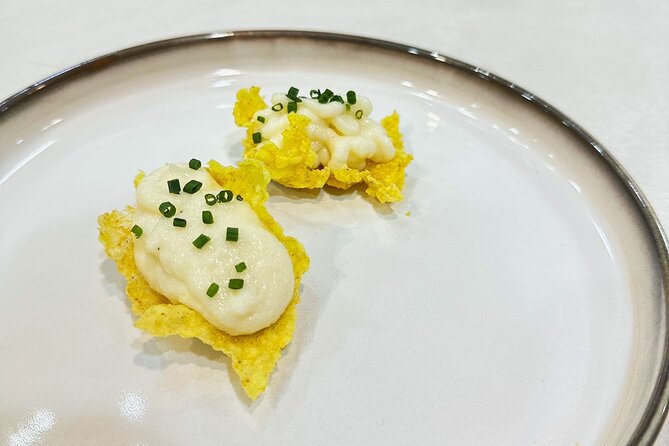
The session starts at 6:00 pm and runs about 2 hours 30 minutes, finishing back at the meeting point. Knowing the time is useful because it affects what you can do earlier that day. If you’ve got a heavy dinner plan lined up right after, you’ll want to adjust. This class is built around you cooking and eating, so you’ll likely be satisfied at the end.
The meeting location is C. Corta, 3, 20001 San Sebastián, Guipúzcoa, Spain. It’s also described as near public transportation, which is handy in a city where you’ll likely be walking a lot and using transit when you don’t want to. And since it’s a small class, showing up a few minutes early helps you settle before cooking begins.
You’ll receive a mobile ticket, and confirmation is received at the time of booking. Those small details reduce stress. You’re not juggling paper or uncertainty right up to the start.
Price and value: what $139.63 buys you in real terms
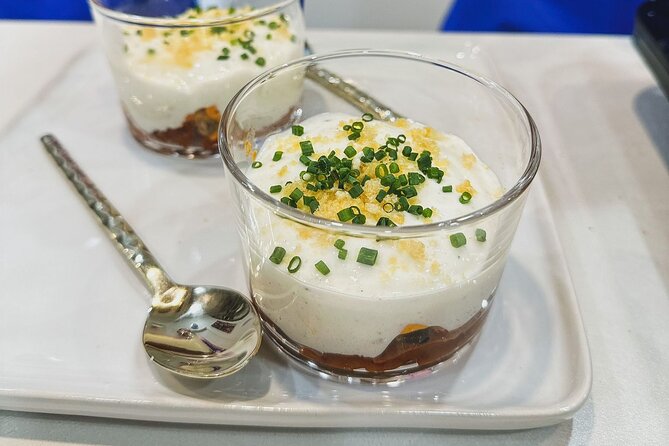
At $139.63 per person, this isn’t a cheap “grab a bite” activity. But it also isn’t positioned as a basic demo. You’re paying for a chef-led, hands-on cooking session in a teaching kitchen setup, with a limited group size and ingredients tied directly to the pintxos you make.
Here’s why the value can make sense for many visitors:
- You get practical skill, not just a meal. Learning classics like the Gilda plus modern twists means you can understand and recreate flavor logic later.
- Small group attention matters. Max 8 travelers usually means fewer bottlenecks and more guidance while you’re actively cooking.
- You cook and eat in the same structured environment. That’s different from a walking tasting where you might only get a few bites.
If your goal is purely to taste a lot of pintxos across San Sebastián, you may prefer a bar-hopping approach. But if your goal is to understand how pintxos are built and to leave with cooking confidence, this class can feel like a smart use of your time.
Also consider when you’re booking. It’s often booked around 39 days in advance on average, so if your dates are fixed, booking earlier can be the easier move.
Who should book this pintxos class (and who might not)
I’d point this experience toward travelers who want food culture you can touch. If you enjoy cooking, or you like the idea of learning techniques instead of just eating, you’ll probably get a lot out of it.
It also suits people who want a guided experience with a relaxed social tone. The “pintxo party” format with cider and txakolí helps the class feel like an event rather than a task.
You might skip it if:
- You want an all-day, flexible schedule rather than a single fixed 6:00 pm slot.
- You prefer to spend your time bouncing between multiple bars across the city instead of concentrating on one structured meal.
- You strongly dislike cooking-style activities, even with clear instruction.
But if you’re open to getting hands-on and you want a clean, well-run teaching kitchen experience with real guidance, this is the kind of activity that often turns into a highlight.
Should you book Kookin Donosti’s pintxos class?
Yes, if you want your San Sebastián food experience to be participatory. The mix of classics like the Gilda, modern pintxo twists, a small max-8 group, and the chance to cook and eat makes it more than a souvenir activity.
I’d book it especially if you like learning technique and you want to leave with repeatable ideas—not just a full stomach. If you’re the type who enjoys watching food happen, you’ll still get a lot here, but the real payoff is for people who want to make the pintxos themselves.
FAQ
Where is the meeting point for this experience?
It starts at C. Corta, 3, 20001 San Sebastián, Guipúzcoa, Spain, and it ends back at the same meeting point.
What time does the class start?
The session starts at 6:00 pm.
How long is the pintxos cooking class?
The duration is about 2 hours 30 minutes.
How many people are in the group?
This activity has a maximum of 8 travelers.
What’s included in the experience?
The class is described as a pintxo party, where you’ll pour your own Basque cider, sip txakolí, and cook pintxos that you will eat, guided by experienced chefs.
Do I need a printed ticket?
No. It includes a mobile ticket.
When will I receive confirmation?
Confirmation will be received at the time of booking.
Is it close to public transportation?
Yes, the meeting area is near public transportation.
What is the cancellation policy?
Free cancellation is offered. You can cancel up to 24 hours in advance for a full refund. If you cancel less than 24 hours before the start time, the amount paid is not refunded. If the minimum number of travelers is not met, you may be offered a different date/experience or a full refund.
More Donostia Trips, Reviewed
- San Sebastian Old Town Pintxos & Wine Tour Small Group Tour
★ 5.0 · 1,102 reviews - San Sebastian: Boat Tour with Stop at Santa Clara
★ 4.6 · 733 reviews - San Sebastian Pintxo Food, Wine & Market Foodie Tour(Small Group)
★ 5.0 · 621 reviews - Small-Group Electric Bike Tour in San Sebastián
★ 5.0 · 603 reviews - Discover San Sebastián’s Best Pintxos on a Unique Culinary Tour
★ 5.0 · 602 reviews - San Sebastian: Sustainable Catamaran Cruise with Audio Guide
★ 4.2 · 527 reviews
Behind the Basque Counter
- Basque Cooking Experience: Market Tour & Hands-On Class English
★ 5.0 · 144 reviews - Authentic Basque Cooking Class in San Sebastian Old Town
★ 4.5 · 87 reviews - San Sebastian: Authentic Basque Cooking Class
★ 4.5 · 55 reviews - Local Cooking Class in San Sebastian
★ 5.0 · 44 reviews - Basque Cuisine Class: Market Visit and Practical Class Castellano
★ 5.0 · 16 reviews - From the market, to the secret kitchen
★ 5.0 · 15 reviews
Down the Bar, One More Pintxo
- San Sebastian Old Town Pintxos & Wine Tour Small Group Tour
★ 5.0 · 1,102 reviews - San Sebastian Pintxo Food, Wine & Market Foodie Tour(Small Group)
★ 5.0 · 621 reviews - Discover San Sebastián’s Best Pintxos on a Unique Culinary Tour
★ 5.0 · 602 reviews - San Sebastian Food Tour: Pintxo Tasting Paired with Wines
★ 4.8 · 493 reviews - San Sebastian: Pintxos and Wine Tour
★ 4.8 · 340 reviews - San Sebastian Evening Pintxo Tour with Wine
★ 5.0 · 321 reviews
Just Added: Fresh San Sebastian Tours in the Book


San Sebastian Pintxos Tours, compared.
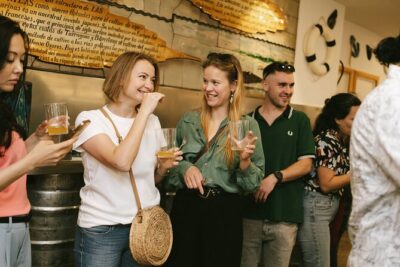 ★ 5.0San Sebastian Old Town Pintxos & Wine Tour Small Group TourFrom $1561,102 reviews
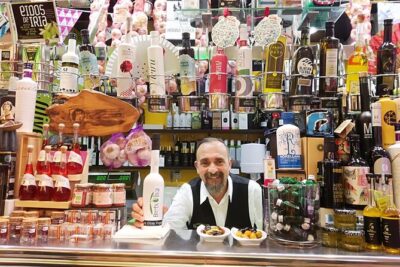 ★ 5.0San Sebastian Pintxo Food, Wine & Market Foodie Tour(Small Group)From $169621 reviews
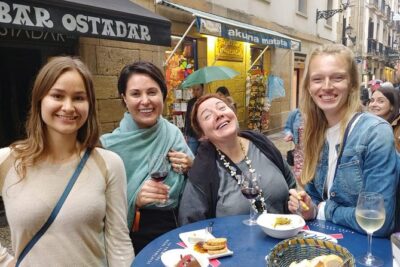 ★ 5.0Discover San Sebastián’s Best Pintxos on a Unique Culinary TourFrom $211602 reviews
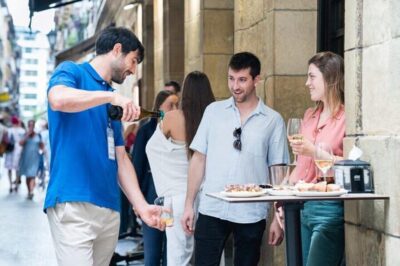 ★ 4.8San Sebastian Food Tour: Pintxo Tasting Paired with WinesFrom $117493 reviews
 ★ 4.8Pintxos and Wine TourFrom $146340 reviews
 ★ 5.0San Sebastian Evening Pintxo Tour with WineFrom $188321 reviews
 ★ 5.0San Sebastian Pintxos Tour for Gourmets in the Old TownFrom $175276 reviews
 ★ 4.5Walking Tour with Pintxo and DrinkFrom $17220 reviews
Browse the lists this tour appears in