Reviewed · SAN SEBASTIÁN
The Real Basque Way: San Sebastian, Beyond the Stars
San Sebastián has a secret food map. This 4 to 5 hour walk strings together Parte Vieja bites like the tortilla that hits both crunchy and oozy, then swings you toward the Puente de Santa Catalina area for neighborhood meals and Basque drinks. I love that it pairs classic San Sebastián staples with off-menu connections to chocolate and other traditions, and I love how the route feels like everyday culinary life, not a scripted parade. One drawback: it is a walking-focused experience, so bring comfortable shoes and plan to stay hungry.
I also like that the vibe stays relaxed. With a maximum group size of 7, you get time to ask questions and settle into the day, and guides like Astrid are praised for mixing food with clear context about local social and domestic life. You’ll be offered the tour in English, and you start and finish in the same spot near public transport, which makes it easier to plug into a busy day.
Inclusions are the big value story here: breakfast, lunch, snacks, and alcoholic beverages are included. For many people, that matters more than the headline price, because San Sebastián eating can turn into a choose-your-own-budget situation fast.
In This Review
- Key points that make this walk worth your time
- Parte Vieja: tortilla, kokotxa at the market, and chocolate with a Basque twist
- Puente de Santa Catalina: the seam between Michelin shine and neighborhood comfort
- How the Basque Way shows up on your plate (not just in stories)
- Meals, snacks, and alcohol: the included value story behind $175
- Price and logistics: what’s included, what’s not, and why that matters
- Pace, group size, and guide quality you can feel in the experience
- Who should book this walk in your San Sebastián plan
- Final call: should you book The Real Basque Way?
- FAQ
- How long is the tour?
- What’s the meeting point for The Real Basque Way?
- Does the tour end in the same place?
- Is the tour offered in English?
- What group size is it?
- What food and drinks are included?
- Are there any admission tickets you must pay?
- Is private transportation included?
- What is the cancellation policy?
- Is the tour suitable for most people?
Key points that make this walk worth your time
- Small-group pacing (max 7) keeps the stops from feeling rushed.
- Parte Vieja tortilla + market kokotxa gives you both comfort food and Basque fish culture.
- A cheesemaker and a Basque-origin Mexican chocolatier add real-world crossovers to the day.
- Santa Catalina bridge-side tastings focus on what’s working locally, not just what’s famous online.
- Txakoli, cider, and wine are built into the tastings, so you learn by drinking the right pairing.
- Culinary Backstreets Passport stamps give the meal a fun, trackable structure.
Parte Vieja: tortilla, kokotxa at the market, and chocolate with a Basque twist
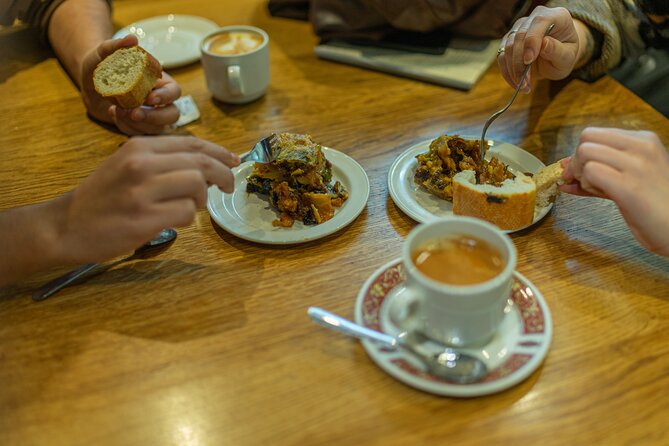
Stop 1 starts in Parte Vieja with a locals’ café style breakfast stop that sets the tone fast: tortilla that manages the tricky combo of crisp edge and soft, almost custardy center. I like this opening because it anchors you. Before you move on to the more specific Basque fish and maker stories, you get the flavor idea of the city in your head.
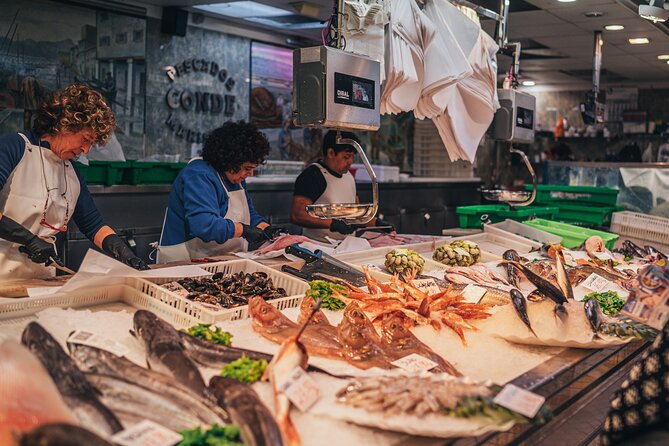
From there, you head into a neighborhood market where chefs and grandmothers queue up to buy kokotxa by the kilo. Kokotxa is fish neck, and in San Sebastián it’s treated like a prized ingredient rather than an oddity. Practical tip: if you’re the type who likes to understand what makes a dish Basque, this is where the tour earns its keep. You’re not just tasting; you’re seeing how people shop for quality and how “fresh” looks in real life—quiet confidence, repeat buyers, and food that doesn’t need much theatrics.
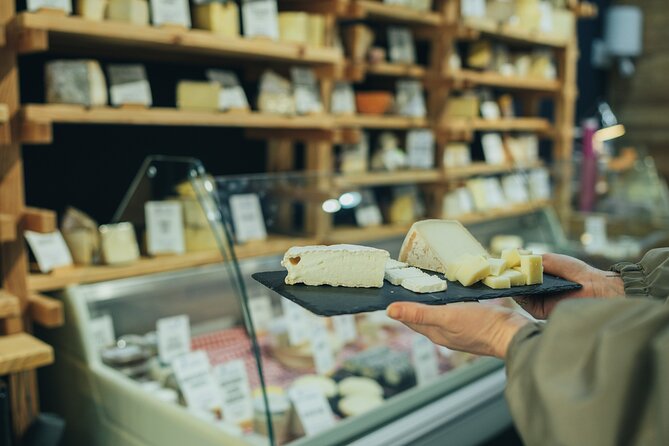
Next comes a maker stop. You’ll meet a cheesemaker who is thinking beyond the Basque region, which is a theme I really want you to notice. Basque cooking has deep roots, but it’s not frozen in time. It adapts, and you can taste that attitude in how ingredients and craft traditions evolve.
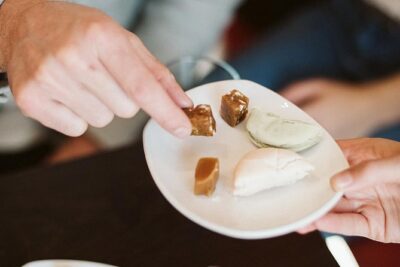
Then the route takes a turn toward a workshop connected to chocolate. You’ll visit the workshop of a Mexican of Basque origin who is reviving a chocolate tradition that once connected this port to his home country. This is the part that makes the tour title make sense. It’s not only about San Sebastián. It’s about the port’s pull—how trade, family history, and people moving around shape what ends up on your plate.
One more cultural note: some guides fold in small artisan-style details alongside the food, and you may see references like ponchos as part of the day’s storytelling rhythm. It’s not about turning this into a museum visit. It’s about tying tastes to lived culture.
What to like here: the sequence is smart—tortilla first (easy to read), kokotxa second (Basque-specific), then makers and chocolate (bigger picture).
What to watch for: if you dislike fish neck textures or strong dairy flavors, kokotxa and cheese stops might be a mood check. You can usually pace yourself, but this is a food-forward segment.
Still deciding? Line it up against a couple of Donostia favourites first.
Puente de Santa Catalina: the seam between Michelin shine and neighborhood comfort
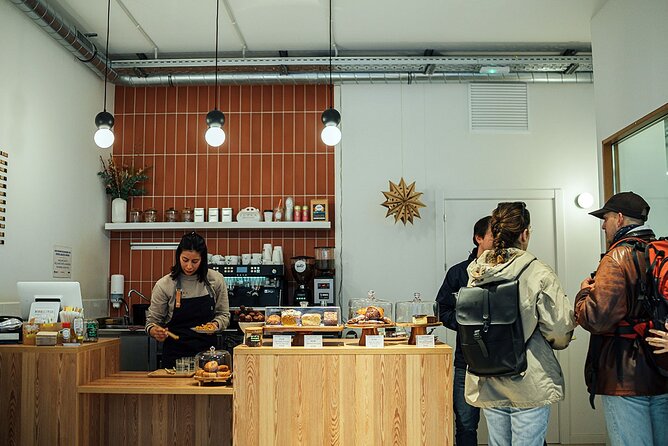
After Parte Vieja, you head toward Puente de Santa Catalina. This isn’t just a scenic pause. The route takes you out of the densest old-town streets and into a band of restaurants and food shops run by a tight circle of culinary pros. The idea is simple: you get the quality mindset you associate with Michelin, but you’re tasting in places that also keep a strong connection to everyday Basque life.
The bridge setting matters because it puts you right where the Urumea River meets the Cantabrian Sea. In a city like San Sebastián, that geography isn’t backdrop—it’s a reason the food tastes the way it does. The sea influences what’s available, how dishes get built, and why local drinks pair so well with salt and freshness.
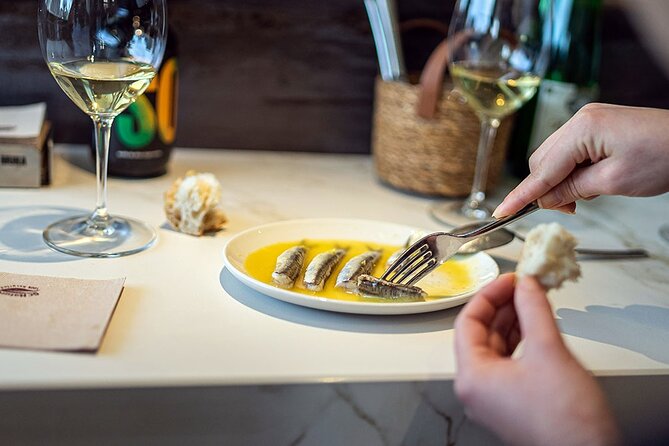
Once you’re in the restaurant-and-shop area, the tour leans into seasonal flexibility. Depending on when you go, your Stop 2 tasting may include a homey fish stew, plus a sip of artisanal cider. Or you might be served exceedingly fresh Cantabrian anchovies with txakoli, the classic Basque white wine. Txakoli tends to taste minerally and it often comes across as bright and sea-like—exactly the kind of pairing that doesn’t try to mask the fish. It supports it.
I like how this part of the day is framed around what is of the moment. Instead of only pushing the most famous signature dish, you’re given options that show what young leaders and working kitchens are choosing to serve right now. That makes the experience feel current even though it’s rooted in tradition.
What to like here: the tour balances big-name culinary reputation with smaller, practical neighborhood stops.
What to watch for: because the exact menu can vary by season, you can’t rely on one specific dish. You can, however, rely on the quality and the fact that seafood and Basque wine/cider pairings are central.
How the Basque Way shows up on your plate (not just in stories)
The tour title—The Real Basque Way: San Sebastián, Beyond the Stars—could sound poetic. But the best part is that the food choices have a logic.
You start with a tortilla that shows Basque technique in a single bite: eggs and potato treated with care, browned without hardening, soft without collapsing. Then you move to kokotxa, which signals that Basques know how to use parts of the sea that other cuisines might skip. Cheese and chocolate add craft and creativity, not just comfort. Then the bridge stop brings you back to fish and local drinks in neighborhood settings.
Guides like Astrid are praised for connecting tastes to context—history, yes, but also the day-to-day social and domestic life behind the food. That’s what you should look for when you pick a food tour: not facts for facts’ sake, but a way of understanding why people cook and buy the way they do.
I also like that there’s a tangible souvenir mechanism through the Culinary Backstreets Passport. You can collect stamps as you go, which turns the walk into something you can remember and compare across cities.
Meals, snacks, and alcohol: the included value story behind $175
Let’s talk money in a practical way. At $175 per person, this isn’t a cheap snack crawl. But you also aren’t paying à la carte for everything.
You get:
- Breakfast
- Lunch
- Snacks
- Alcoholic beverages
That matters because you’re not just tasting one or two things. You’re sampling across multiple stops—tortilla, market items tied to kokotxa, cheese, chocolate-linked treats, and then seafood and drinks again in the Santa Catalina area. When drinks are included, it’s also easier to take the pairings seriously. Instead of thinking how you’ll afford another glass, you can focus on taste and contrast—like salt-forward anchovies with txakoli, or fish stew with cider.
One more practical point: alcoholic beverages are included, so plan how you’ll handle the rest of your afternoon. This is also why the tour’s meeting point and end point matter. You return to the same area, so you’re not stuck figuring out transit mid-sugar-and-wine.
- San Sebastian Old Town Pintxos & Wine Tour Small Group Tour★ 5.0 · 1,102 reviews
- San Sebastian: Boat Tour with Stop at Santa Clara★ 4.6 · 733 reviews
- San Sebastian Pintxo Food, Wine & Market Foodie Tour(Small Group)★ 5.0 · 621 reviews
- Small-Group Electric Bike Tour in San Sebastián★ 5.0 · 603 reviews
- Discover San Sebastián’s Best Pintxos on a Unique Culinary Tour★ 5.0 · 602 reviews
Price and logistics: what’s included, what’s not, and why that matters
Here’s the simple breakdown.
What’s included:
- Meals and snacks
- Alcoholic beverages
- Mobile ticket
- English-speaking experience
- The stops list admission as free
What’s not included:
- Private transportation
That last item is common, but it affects your planning. You’ll want to get yourself to the meeting point on your own. The good news: the meeting location is near public transportation and you start and end back at the same place, so you don’t need a complicated route map.
Your meeting point is:
Hotel de Londres y de Inglaterra, Zubieta Kalea, 2, 20007 Donostia / San Sebastián, Gipuzkoa, Spain
Your duration is listed as 4 to 5 hours (approx.), which is a great length for a food day. It’s long enough to cover two major areas and multiple tastings, but short enough to still enjoy San Sebastián’s beaches, pintxos later on, or an early dinner plan if you want one.
Pace, group size, and guide quality you can feel in the experience
This tour caps at 7 travelers in your group. That size changes the whole feel of a food walk. The best stops in San Sebastián can get crowded, and small groups help you move without waiting too long. It also means the guide can actually talk to you, not just through you.
The reviews praise that the day never feels rushed, and that lines up with what you should expect from a carefully structured 4 to 5 hour route. If you’re the type who likes time to ask follow-ups—why this ingredient, why this pairing—this group size helps.
English is offered, which is important here because you’re not only tasting. You’re learning how the city eats: how markets work, how makers think, and why local pros run certain kinds of spots.
Practical advice: wear shoes that handle uneven old-town streets. Bring a water bottle if you know you get thirsty. And if you’re sensitive to alcohol, consider going slower during the tastings so you can enjoy the later stops.
Who should book this walk in your San Sebastián plan
This one fits best if you want:
- A food-focused San Sebastián experience that goes beyond pintxos clichés
- Market-to-maker storytelling, not just sit-down meals
- Seafood lovers who enjoy Basque ingredients like kokotxa and anchovies
- Wine and drink pairings, especially txakoli and cider
- A mix of classic Basque and world connections through chocolate and cheesemaking
It may not be your best match if:
- You dislike seafood or strong dairy and chocolate flavors
- You want a mostly scenic tour with a light food component
- You need a zero-walking plan for mobility reasons (this is most people friendly, but it’s still a walking day)
Final call: should you book The Real Basque Way?
If you’re trying to understand what makes San Sebastián tick through food, I’d book this. The standout strength is the pairing of solid local staples with maker-driven stories, then finishing with neighborhood-level tastings that show the city’s quality mindset outside the Michelin spotlight. Add in the inclusion of breakfast, lunch, snacks, and alcoholic beverages, and the $175 price starts to feel less like a splurge and more like paying for a guided route that feeds you well.
One last check before you commit: if you hate fish neck or you know you’ll struggle with multiple tastings, you might prefer a shorter pintxos tour. Otherwise, this is an efficient way to get both flavor and context in a single afternoon.
FAQ
How long is the tour?
It runs about 4 to 5 hours.
What’s the meeting point for The Real Basque Way?
You meet at Hotel de Londres y de Inglaterra, Zubieta Kalea, 2, 20007 Donostia / San Sebastián.
Does the tour end in the same place?
Yes, it ends back at the meeting point.
Is the tour offered in English?
Yes, it is offered in English.
What group size is it?
The tour has a maximum of 7 travelers.
What food and drinks are included?
Breakfast, lunch, snacks, and alcoholic beverages are included.
Are there any admission tickets you must pay?
The stop descriptions list admission ticket as free.
Is private transportation included?
No, private transportation is not included.
What is the cancellation policy?
Free cancellation is available up to 24 hours before the experience start time for a full refund. If you cancel less than 24 hours before, the amount paid is not refunded. The experience may also be canceled if the minimum number of travelers is not met, with an offered alternative date/experience or a full refund.
Is the tour suitable for most people?
Most travelers can participate.
More Donostia Trips, Reviewed
- San Sebastian Old Town Pintxos & Wine Tour Small Group Tour
★ 5.0 · 1,102 reviews - San Sebastian: Boat Tour with Stop at Santa Clara
★ 4.6 · 733 reviews - San Sebastian Pintxo Food, Wine & Market Foodie Tour(Small Group)
★ 5.0 · 621 reviews - Small-Group Electric Bike Tour in San Sebastián
★ 5.0 · 603 reviews - Discover San Sebastián’s Best Pintxos on a Unique Culinary Tour
★ 5.0 · 602 reviews - San Sebastian: Sustainable Catamaran Cruise with Audio Guide
★ 4.2 · 527 reviews