
Reviewed · CAMINO, COASTAL HIKES & SURF
Camino de Santiago hike in San Sebastian
Salt air and scallop shells set the pace. This Camino de Santiago hike from San Sebastián blends sea views with real route markers, so you walk with purpose and not just for scenery. What I like most is the ocean-view trail from La Concha toward Mount Ulia, and the meaningful Camino signage (scallop shells and yellow arrows) that helps you feel connected to the tradition.
There’s one catch: the walk includes climbing up Mount Ulia, so it’s not a good fit if you have back issues, mobility limitations, or heart problems. If that’s you, it’s better to choose an easier walking route in the city instead of forcing it.
In This Review
- Key things to know before you go
- From the Kursaal to the start of your Camino walk
- Mount Ulia: the ocean balcony that makes the climb worth it
- Following scallop shells and yellow arrows along the coast
- San Pedro (Pasaia) finish: the fishing-town atmosphere of the coast
- The guide difference: what you gain in a small-group walk
- Price and value: what $46 buys you for 5 hours
- Itinerary reality check: what each section feels like
- Who this hike suits best (and when to skip it)
- Practical tips that make the day smoother
- Should you book the San Sebastián Camino coastal hike?
- FAQ
- How long is the Camino de Santiago hike from San Sebastián?
- Where do I meet for the tour?
- What’s included in the price?
- Is lunch included?
- What languages is the live guide available in?
- Do I need rain gear?
- What should I wear or bring?
- Is this tour suitable for people with mobility issues?
- Are unaccompanied minors allowed?
- Where does the hike end?
Key things to know before you go
- Mount Ulia is your big viewpoint moment over the Cantabrian Sea, with sights toward the bay and the Faro de la Plata area.
- Camino route markers guide your way with scallop shells and yellow arrows, so you’re not guessing.
- San Pedro (Pasaia) ends the story in a small fishing town feel, with stone houses and photogenic quays.
- Guides add local Basque context while you hike at your own pace.
- Taxi return is included, which saves you from planning the end-of-walk logistics.
- Duration is about 5 hours, so plan on a solid outing, not a quick stroll.
From the Kursaal to the start of your Camino walk
Your morning begins at the Kursaal area in San Sebastián, with a clear meeting point at the ticket office of the Kursaal building (Av. de Zurriola, 1). You get two possible starting locations, but the Kursaal is the key anchor point, which makes it easy to find without hunting around town.
This matters more than you might think. Donostia can feel wonderfully walkable, but when you’re on a set tour schedule, simple beats clever. The Kursaal is also a natural way to start because it puts you close to the coastline energy of La Concha—so the “from city to trail” shift feels instant.
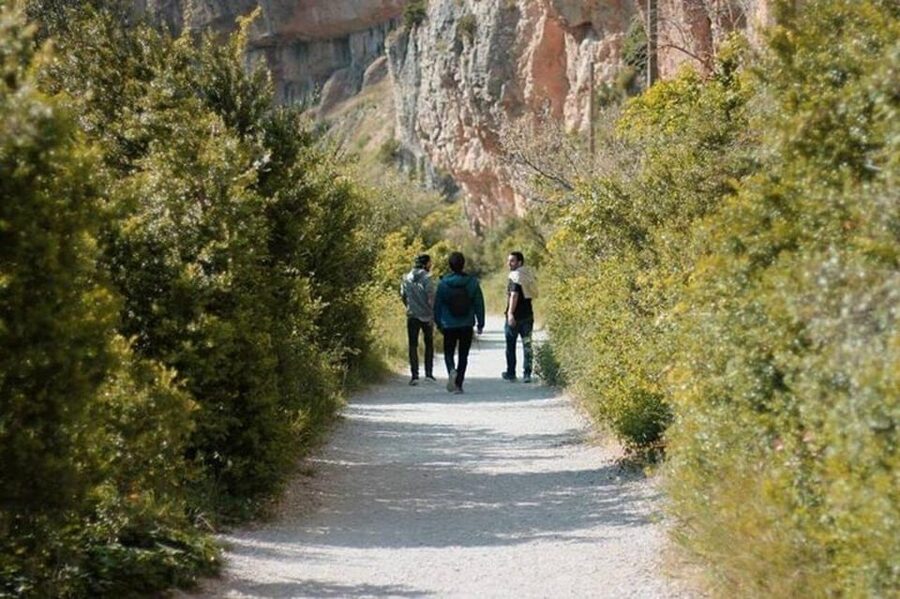
Once you’re grouped up, you head away from the bustle and begin the climb. The day is built around that transition: blue sea views at the beginning, green and forested sections as you gain altitude, then a calmer, harbor-town finish.
Boots or a board along the coast, more of each
Mount Ulia: the ocean balcony that makes the climb worth it
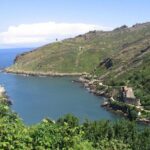
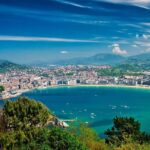
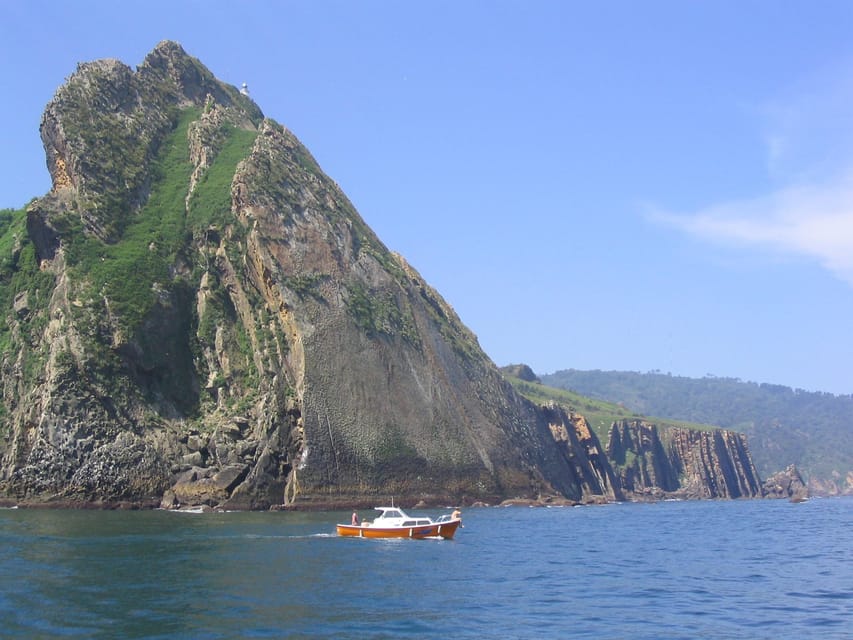
Mount Ulia is the star. This isn’t just a token stop; it’s where the hike turns into a real viewpoint experience. As you climb, you’re working toward a natural balcony over the Cantabrian Sea, and you’ll get sweeping looks toward the bay.
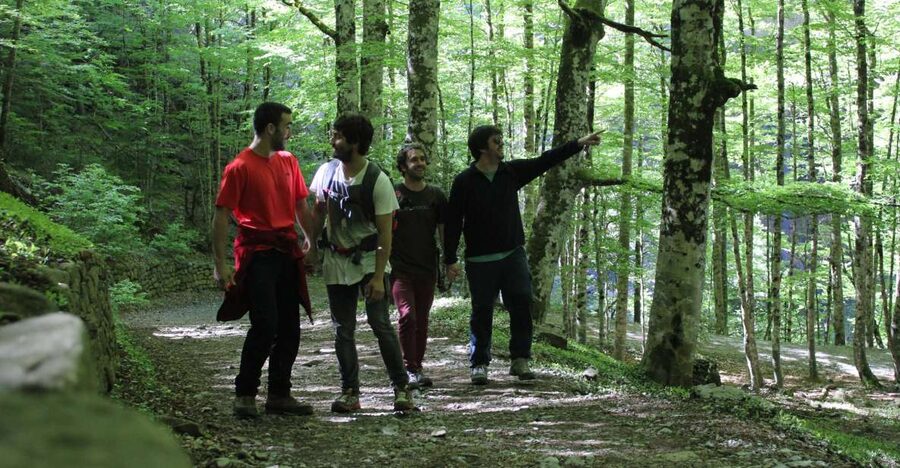
The best part is how the scenery changes while you’re walking. Coastal views keep pulling you forward on the way up. Then the route begins to feel more shaded and forest-like as you move through the greenery. That mix—sea, cliffs, and Atlantic foliage—is exactly what keeps a Camino-style hike from becoming repetitive.
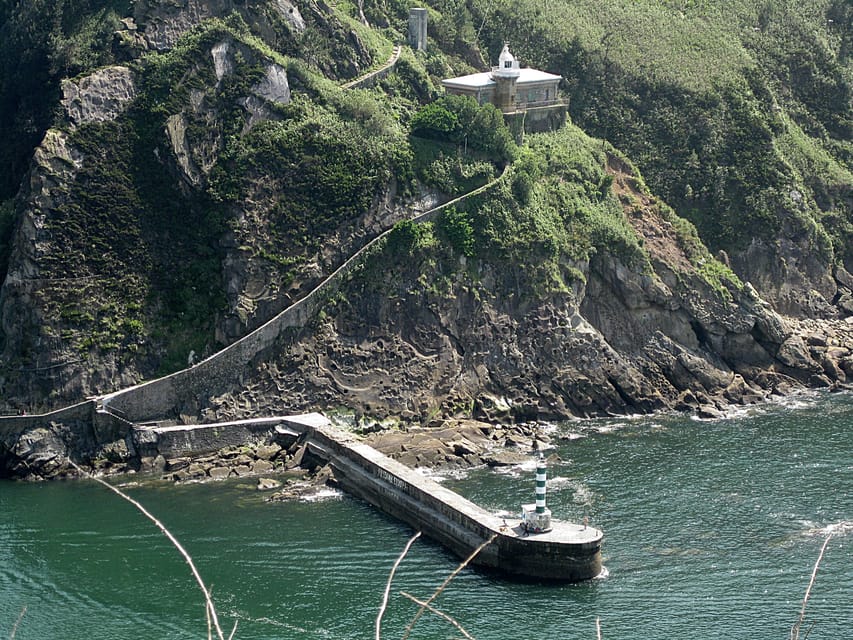
You’ll also get direction and context around landmarks, including viewpoints toward the Faro de la Plata. Even if you’ve seen photos of the coast before, it lands differently when you’re standing along the route with the wind and the scale of the water in front of you.
Practical takeaway: bring your camera, but also take a minute to stop and let the view hit you. This is one of those hikes where the best photos come after you’ve paused, not while you’re rushing.
Following scallop shells and yellow arrows along the coast
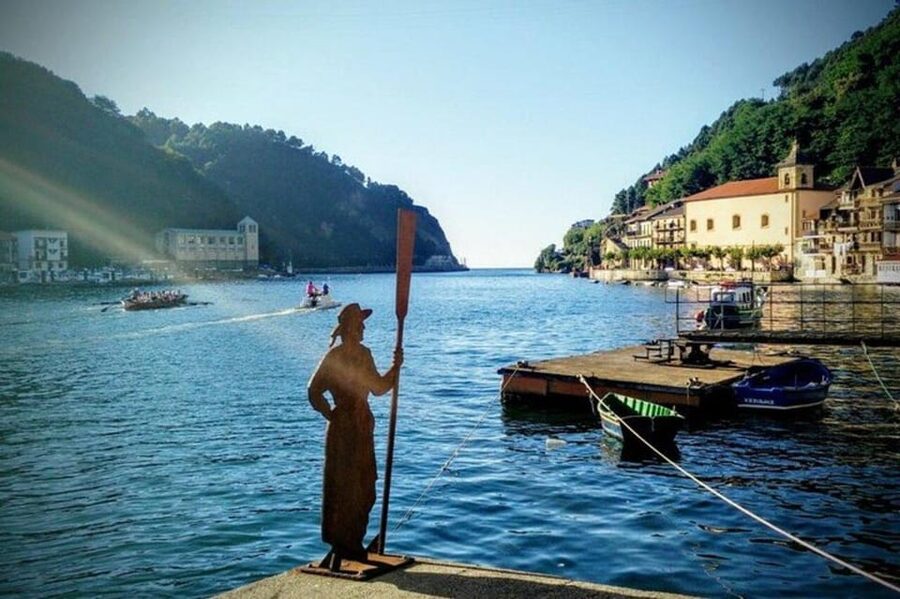
The Camino de Santiago is famous for its symbols, and here you actually get to use them. The trail includes sections marked with scallop shells and yellow arrows, which turn navigation into part of the experience rather than a problem to solve.
This is where a guide earns their fee. They can point out what you’re looking at and why it matters—how this route connects to the wider Camino tradition, and how pilgrims historically moved through coastal stretches rather than only inland paths. You don’t need to become a Camino expert for the walk to make sense, but it helps when someone explains the logic behind the markers.
Also, the guide doesn’t just handle the route. They share history, nature, and culture while you walk, and that can change how you experience everything around you. For example, you’ll understand why this specific coastal way has the pull it does—because it offers both movement and meaning.
And yes, you still walk at your own pace. You’re not doing a nonstop march; you’re hiking, stopping when needed, and letting the views and interpretation do their job.
San Pedro (Pasaia) finish: the fishing-town atmosphere of the coast
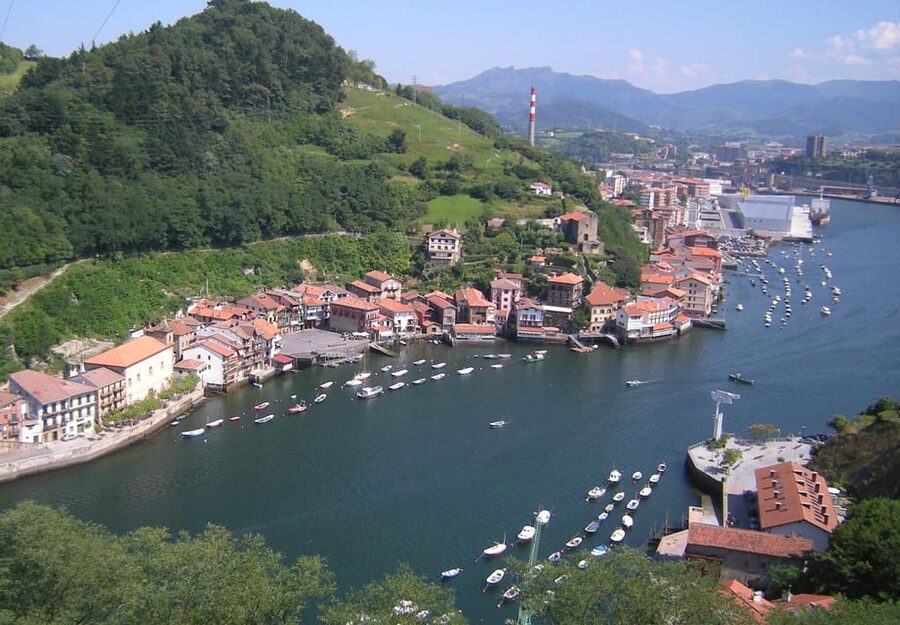
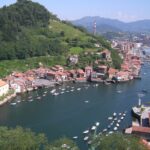
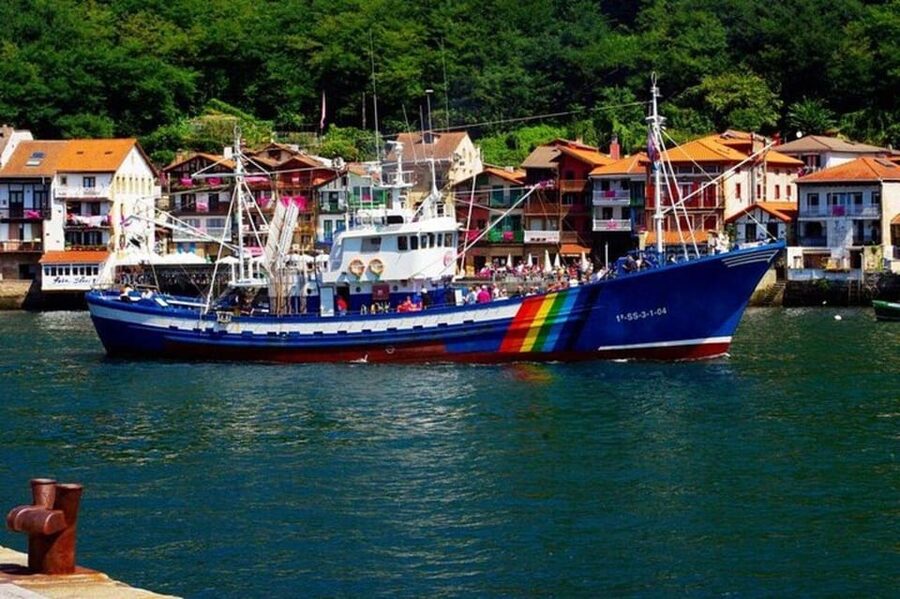
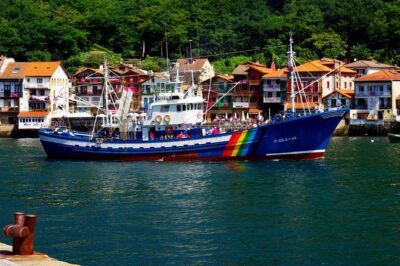
The hike ends in San Pedro (Pasaia), a smaller fishing town feel that’s all about stone houses and charming quays. This is a good ending because it shifts you from “mountain viewpoint mode” to “harbor reality mode.”
San Sebastián is dramatic and urban in the best way. But Pasaia’s waterfront vibe is quieter and more grounded. It’s the kind of place where you can imagine daily seafaring life—the mood feels right for a coastal Camino route.
This stop also helps the Camino story click. As you arrive, you’ll start to understand why so many people follow coastal ways toward Santiago de Compostela. It’s not only that the walking is scenic; it’s that these places feel like stepping stones—ports, fishing neighborhoods, and communities shaped by the sea.
Photo tip: aim for the quays and stone buildings rather than only the waterline. The “pilgrim perspective” is more interesting when you capture both the coastline and the human scale.
More paths along the Basque coast
- From San Sebastian: Guided Coastal Hike with Winery Tasting★ 4.9 · 14 reviews
The guide difference: what you gain in a small-group walk
This tour runs with a live guide in Spanish and English, and it’s set up for private or small groups (depending on what you choose). That format tends to work well for a hike like this, because you get attention without the big-group shuffle.
Some guides make a big impression in how they connect dots. One standout example in the feedback is Jonathan, who’s praised for turning the Basque region story into something you can actually picture—plus for adding local touches like food stops at the end (pinxto comes up as a highlight). The guide’s vibe can be the difference between just walking and truly understanding what you’re walking through.
If you want the most value from your guide, ask simple questions while you’re moving:
- What’s the meaning of these route markers in practice?
- What should I look for in the landscape as the route shifts?
- How does this coast connect to the wider Camino route toward Santiago?
Even if you’re not trying to “collect facts,” those answers help your brain lock onto the experience instead of treating it like a scenery tour.
Price and value: what $46 buys you for 5 hours
At $46 per person for about 5 hours, the price looks reasonable once you break down what’s included. You’re paying for a guided coastal hike with interpretation (history, nature, and culture), plus taxi return. That return matters because it removes the end-of-hike transport headache. In cities, logistics can quietly eat time and money; here, it’s handled.
What’s not included is also part of the value equation. Lunch isn’t provided, and you should plan to manage your own food. Rain gear and an umbrella aren’t included either, so if the weather is moody, you’ll want to bring your own light layer.
So is it worth it? For most people, yes—especially if you want the Camino context and don’t want to figure out the route markings and timing yourself. If you’re a confident hiker who already knows exactly where you’re going and doesn’t care about interpretation, you could do parts of this independently. But you’d be giving up the “why” behind the route, and that’s where this kind of Camino experience becomes memorable.
Itinerary reality check: what each section feels like
Here’s how the day is likely to play in your mind as you walk it.
Starting: Donostia → climb toward Ulia
You begin in the Kursaal area and transition into the climb. Expect energy early, with sea views in the mix as you head upward. This is a good time to slow down and get your bearings before the trail steepens.
Mount Ulia: viewpoint hiking
This section is about effort rewarded by perspective. You’re moving toward wide coastal views, including angles that connect to landmarks like the Faro de la Plata area. Even if you stop for photos, the pacing is built for comfort rather than speed.
Midway: sea, forest, and tradition markers
As you move through the route, the combination of coastal air and green stretches gives your senses a break from constant open-water staring. The Camino markings keep the “pilgrim line” clear, so the hike feels purposeful.
Ending: San Pedro (Pasaia) visit
You finish in the fishing-town atmosphere. The walk turns into a visit: you take in the quays and stone buildings, and the guide ties the experience back to why pilgrims follow this kind of path. It’s a satisfying landing after the climb.
Return: taxi handled
Taxi return being included means you can focus on enjoying the day instead of tracking transport options at the end.
Who this hike suits best (and when to skip it)
This outing is described as suitable for all ages, but the important truth is that “all ages” doesn’t mean “all bodies.” The tour explicitly isn’t suitable for people with back problems, mobility impairments, or heart problems.
If you’re generally healthy and used to a moderate hike with some climbing, this can be a great way to connect hiking and heritage in one outing. It’s especially good if you want a Camino experience that doesn’t require multi-day planning.
If your fitness is lower or your mobility is limited, you might still enjoy San Sebastián’s coastline—but you’ll likely want an easier, flatter walk route instead of Mount Ulia’s terrain.
Practical tips that make the day smoother
A few basics can make or break a coast-and-climb hike:
- Wear comfortable shoes with grip. Coastal trails can be slick, and the route includes climbing.
- Bring comfortable clothes you can move in. Layers help if the temperature shifts between sea wind and higher, calmer air.
- If rain is in the forecast, plan to dress for it anyway. Rain clothes or an umbrella aren’t included.
- Expect that you’ll want food before or after, since lunch isn’t included.
- Bring water if you’re someone who gets thirsty on hikes. The tour is only 5 hours, but sea air can sneak up on you.
Also, do yourself a favor: show up a little early. Meeting at the Kursaal is straightforward, but you’ll enjoy the start more if you aren’t rushing.
Should you book the San Sebastián Camino coastal hike?
Book it if you want a Camino experience with real physical movement plus real context—ocean views, meaningful Camino markers, and a satisfying finish in San Pedro. The included taxi return is a smart convenience, and the 5-hour timing fits well into a travel schedule.
Skip it if Mount Ulia’s climbing isn’t realistic for you, or if you’re expecting a gentle flat walk. And if you don’t care about history or route meaning and you already know how to follow the Camino markers independently, you might feel the guide adds less value.
For the right traveler—someone who enjoys coastal hikes and likes understanding what they’re stepping into—this is a strong way to experience the Jacobean spirit by the sea.
FAQ
How long is the Camino de Santiago hike from San Sebastián?
The hike lasts about 5 hours.
Where do I meet for the tour?
You meet at the ticket office of the Kursaal building in San Sebastián (Av. de Zurriola, 1, 20002 Donostia, Gipuzkoa).
What’s included in the price?
The tour includes a taxi return.
Is lunch included?
No, lunch is not included.
What languages is the live guide available in?
The live guide speaks Spanish and English.
Do I need rain gear?
Rain clothes or an umbrella are not included, so it’s a good idea to bring your own if weather looks changeable.
What should I wear or bring?
Bring comfortable shoes and comfortable clothes.
Is this tour suitable for people with mobility issues?
No. It is not suitable for people with mobility impairments, and it also isn’t suitable for people with back problems or heart problems.
Are unaccompanied minors allowed?
No, unaccompanied minors are not allowed.
Where does the hike end?
The route ends in San Pedro (Pasaia), and the taxi return takes you back to the Kursaal area.
More Paths Along the Coast
- Hike the heart of the Basque country
★ 5.0 · 50 reviews - Hike from San Sebastian to San Pedro across St James Way
★ 5.0 · 29 reviews - From San Sebastian: Guided Coastal Hike with Winery Tasting
★ 4.9 · 14 reviews
More Donostia Trips, Reviewed
- San Sebastian Old Town Pintxos & Wine Tour Small Group Tour
★ 5.0 · 1,102 reviews - San Sebastian: Boat Tour with Stop at Santa Clara
★ 4.6 · 733 reviews - San Sebastian Pintxo Food, Wine & Market Foodie Tour(Small Group)
★ 5.0 · 621 reviews - Small-Group Electric Bike Tour in San Sebastián
★ 5.0 · 603 reviews - Discover San Sebastián’s Best Pintxos on a Unique Culinary Tour
★ 5.0 · 602 reviews - San Sebastian: Sustainable Catamaran Cruise with Audio Guide
★ 4.2 · 527 reviews
Along the Coast, Boots or Board
- Coastal “Winery Camino Trail” Walking Tour from San Sebastian
★ 5.0 · 51 reviews - Hike the heart of the Basque country
★ 5.0 · 50 reviews - Hike from San Sebastian to San Pedro across St James Way
★ 5.0 · 29 reviews - Sunrise SUP tour & breakfast – Private stand up paddle boarding experience
★ 5.0 · 20 reviews - From San Sebastian: Guided Coastal Hike with Winery Tasting
★ 4.9 · 14 reviews - Surf the Basque Country Day trip – Private experience
★ 5.0 · 5 reviews
Just Added: Fresh San Sebastian Tours in the Book



Camino, Coastal Hikes & Surf, compared.
 ★ 5.0Coastal “Winery Camino Trail” Walking Tour from San SebastianFrom $19251 reviews
 ★ 5.0Hike the heart of the Basque countryFrom $77150 reviews
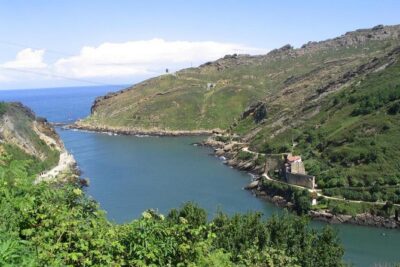 ★ 5.0Hike from San Sebastian to San Pedro across St James WayFrom $4629 reviews
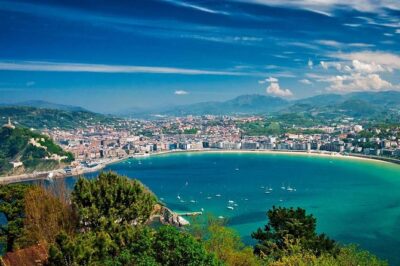 ★ 5.0Sunrise SUP tour & breakfast – Private stand up paddle boarding experienceFrom $22820 reviews
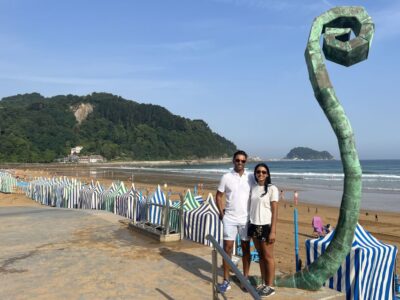 ★ 4.9From San Sebastian: Guided Coastal Hike with Winery TastingFrom $18814 reviews
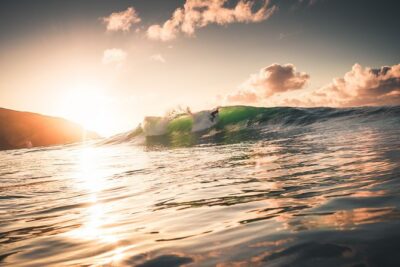 ★ 5.0Surf the Basque Country Day trip – Private experienceFrom $2745 reviews
 ★ 5.0Surf & Party HostelFrom $1914 reviews
Browse the lists this tour appears in